The Kawasaki Ninja 400 is a small sport bike that offers the performance of a big machine at the price and weight of a small one. Many of the riders wonder why it is there if the Ninja 300 is already available. Once you have ridden you will see the answer.
The 399cc parallel-twin produces 48 bhp, the chassis is lightweight and the riding position very comfortable. Check out its design, engine, handling, comfortability, details, and price, and determine whether or not this is the right bike for you.
Design and Styling
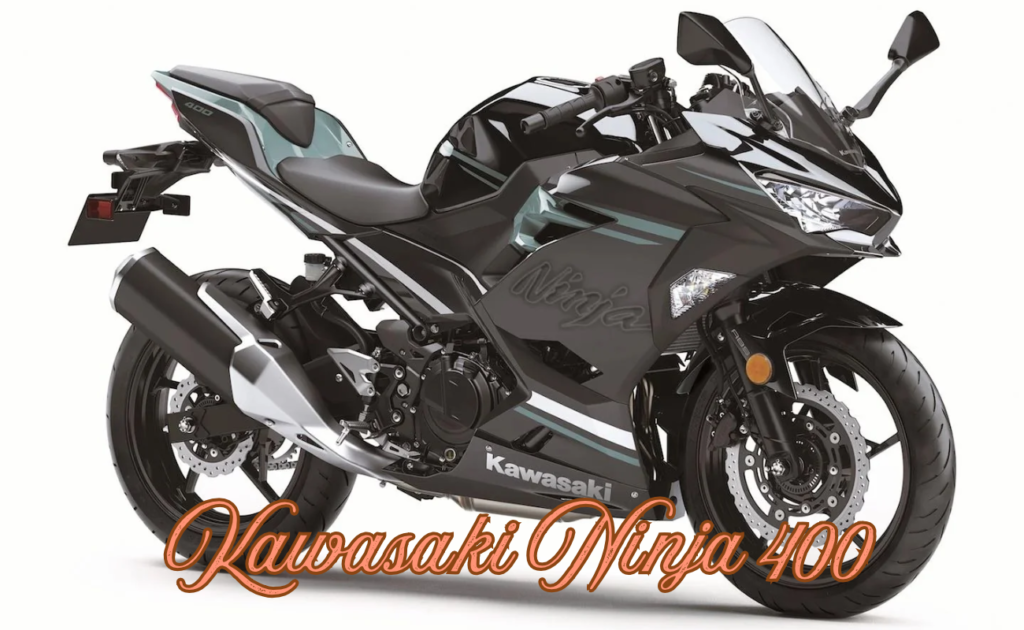
The difference between the Ninja 400 and Ninja 300 will be apparent when you park them side by side. It has a more mean look, is a little chunkier and is a little taller and more upright. The styling is reminiscent of the ZX-10R, and that edgy appearance extends right down to the tail lamp. The green paint is a true show-stopper and definitely adds to the bike’s personality. This is a sportbike that’s hard to miss these days.
Engine and Performance
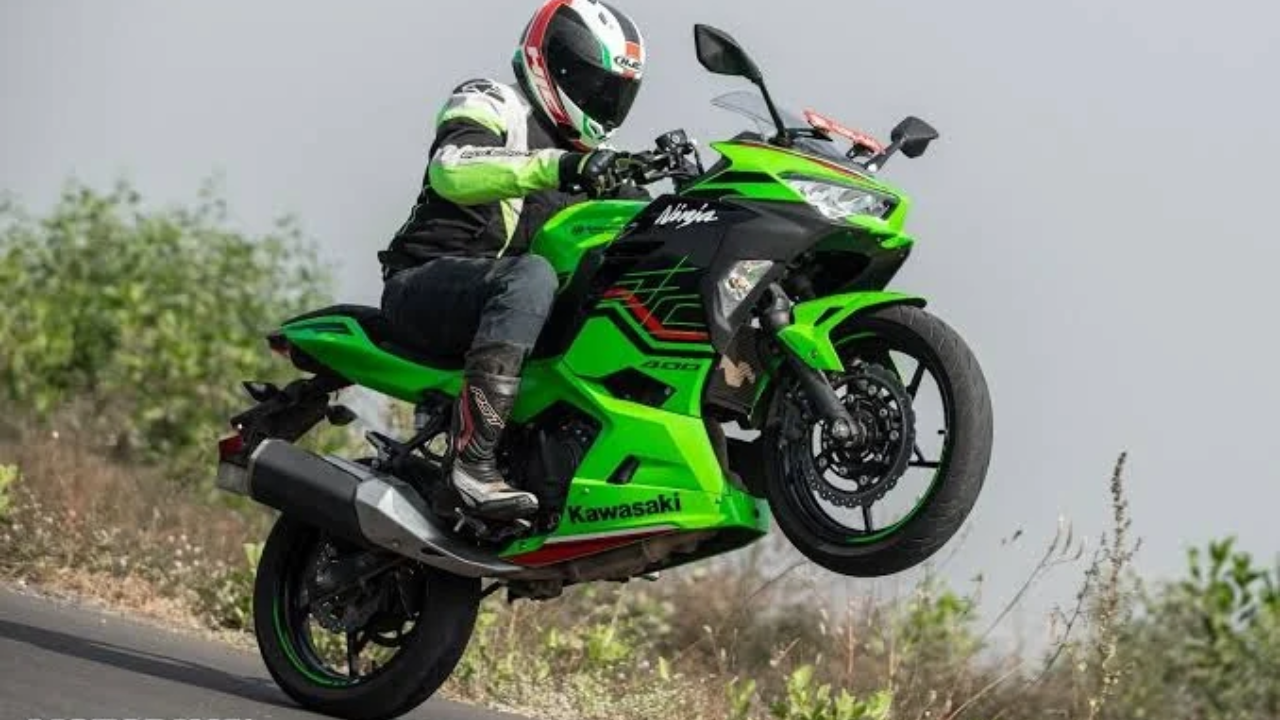
The additional 100cc really does make a difference. The Ninja 300 also provides power in a steady manner that has no real burst anywhere. The Ninja 400 is a lot more exciting. It makes 48 bhp at 10,000 rpm and 3.9 kgm of torque at 8,000 rpm. The engine is a bit more aggressive as the revs increase, and it will kick a bit after 7K rpm and the rev limiter doesn’t kick in until 13K rpm.
That translates to fast acceleration, wheelies and some hairy moments into a corner. Even in the normal exhaust shape, it sounds sweet.
Brakes, Clutch and Comfort
Engine is well supported by the rest of the bike. The front disc is larger which means that the brake is more aggressive and easier to control. The clutch is easily handled with one finger, so traffic jams aren’t as tiring. A minor gripe is that levers should be adjustable at this price.
The seat is what really stands out. It’s broad, well padded, and provides lots of space to maneuver around. Positioned in a sporty but not aggressive stance with handlebars not too low for long rides.
Handling and Ride Experience
Here is where the bike’s ability is revealed. The wheelbase is short, 1.370 metres, which helps this 400cc faired motorcycle to turn quickly. The whole body shape is quite lean for a twin cylinder motorbike and the ride height is slightly higher, meaning you’ll be able to lean into corners more than you would otherwise. The tyres require a certain amount of warm-up, but when they are hot they have good traction. The bike is seriously fast in the right hands, and is capable of holding its own with machines having double the power.
Who Should Buy the Ninja 400
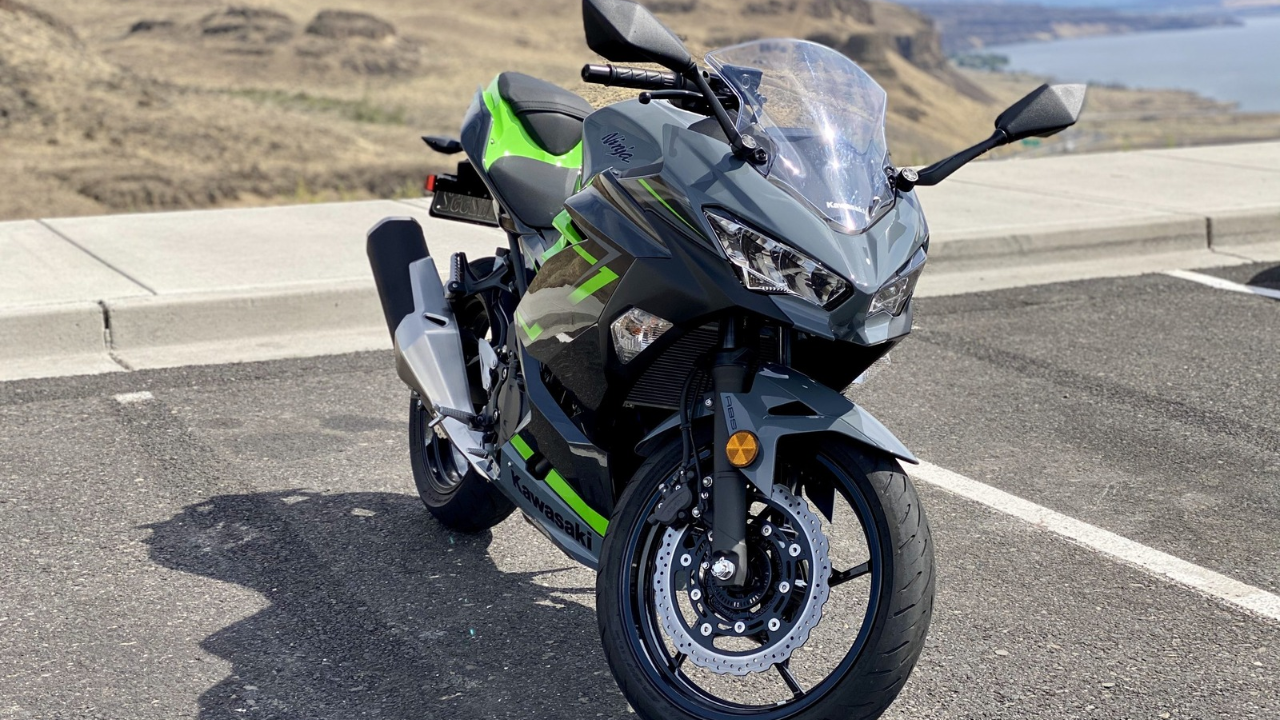
It’s a nice bike to learn the sensation of speed on. Expecting more of the rider from the Ninja 400. Purchase it is not to run quickly. It’s the purchase made for the sake of fast riding, skill and control. When you’re not careful, it can be frightening, making it a good choice for riders who wish to learn and grow along the way.
Specifications and Price
The 4-stroke 399cc parallel-twin engine is mated to a 6-speed gearbox to give the bike a powerful, efficient performance. The steel trellis frame is complemented by a 310 mm front disc and a 220 mm rear disc, which offer superb braking and traction. The seat height is 785 mm, kerb weight is 173 kg and the fuel tank capacity is 14 litres. The price at the time of the original review was Rs 4.99 lakh ex-showroom. Please check with a dealer for the latest price.
Final Word
The Kawasaki Ninja 400 is a combination of speed, agility, aesthetic appeal and comfort rolled into a pleasurable package. It shows you don’t need a big engine or a big price tag to have some big fun. It’s fast, simple to maintain and thrilling to push! If you’re an enthusiast of sport bikes, make an appointment for a test drive and experience for yourself.
FAQs
1.Is the Ninja 400 suitable for newbies?
With its light clutch, comfortable seat and manageable size, it can be a great choice for confident new riders. But the power can come in all at once.
2.How much power does the Ninja 400 make?
It makes 48 bhp at 10,000 rpm and 3.9 kgm of torque at 8,000 rpm. The power rises steadily and is definitely stronger after 7k rpm.
3.What is the seat height of the ninja 400?
The seat height is 785 mm which is not too tall or too low for a faired sportbike. The seat is also broad and well padded, and most passengers are able to comfortably sit on it.
4.How is the Ninja 400 different from the Ninja 300?
It’s 100cc bigger and about 10 bhp stronger. It also features a more powerful mid rage and larger front disc and a more muscular appearance.
Read More: Best Beginner Motorcycle: 5 Easy-to-Ride Bikes for New Riders