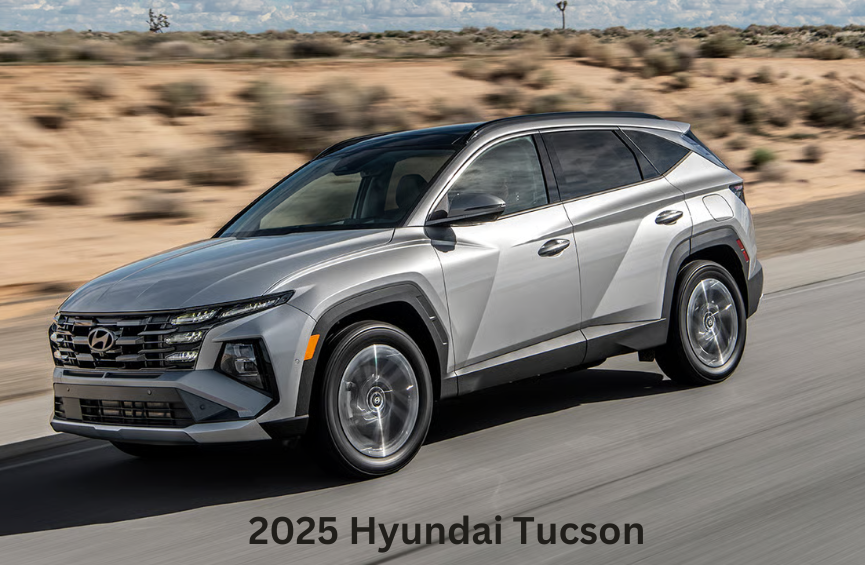
The 2025 Hyundai Tucson brings a thoughtful set of updates for the compact SUV segment. Hyundai has already proven the Tucson as a staple in its lineup, and with the 2025 refresh, the model feels more refined inside and out.
From a redesigned cabin that blends modern tech with user-friendly controls to expanded powertrain options and safety upgrades, the new Tucson aims to stay competitive in a class where rivals keep pushing boundaries.
Exterior Design and Styling
The 2025 Hyundai Tucson receives a subtly noticeable but refreshed appearance on the outside. The Tucson has a new front grille and revised bumpers that provide a cleaner and more confident look, redesigned daytime running lights and new wheel designs make this model year stand out. These additions introduce a somewhat rougher and more contemporary feel without going too far off the well-known silhouette of Tucson.
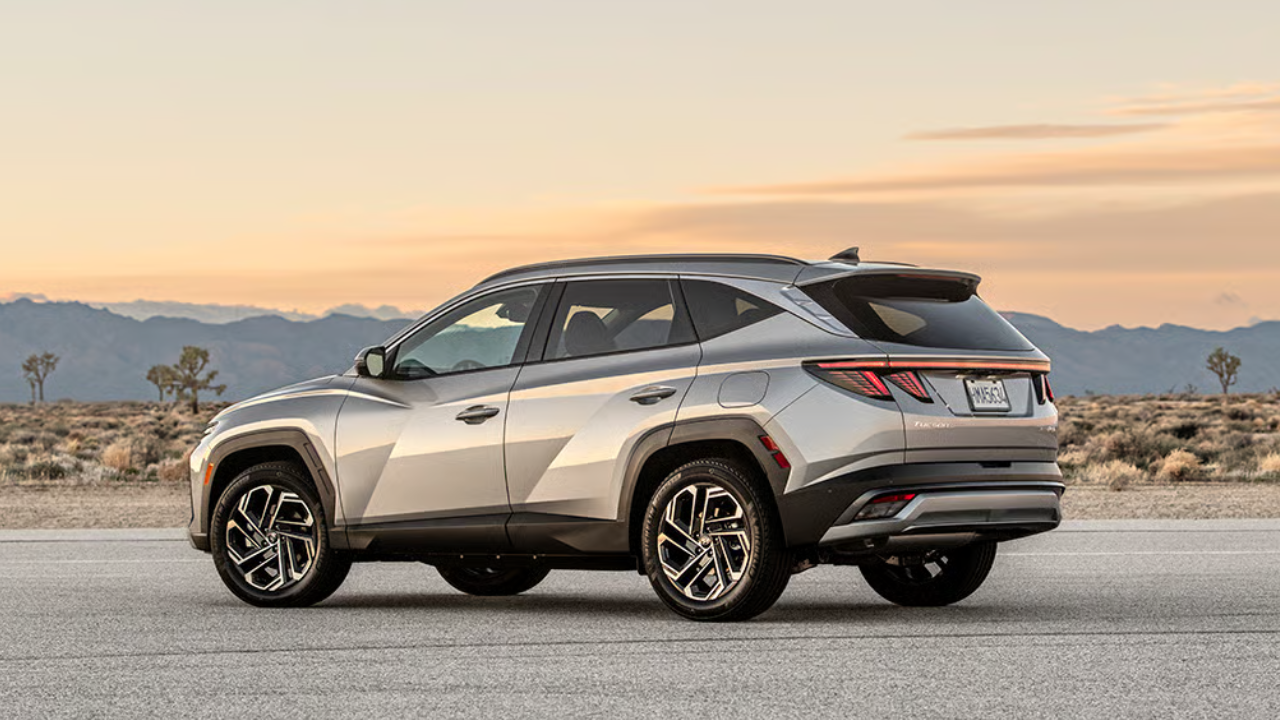
The back is also not left behind and it has a more aggressive design of skid plates and adjustments on the length of the rear wiper blade that enhances the looks and functionality. Hyundai did not change the appearance of the Tucson completely, but the changes provide it with a more meaningful and modern posture.
Interior and Technology
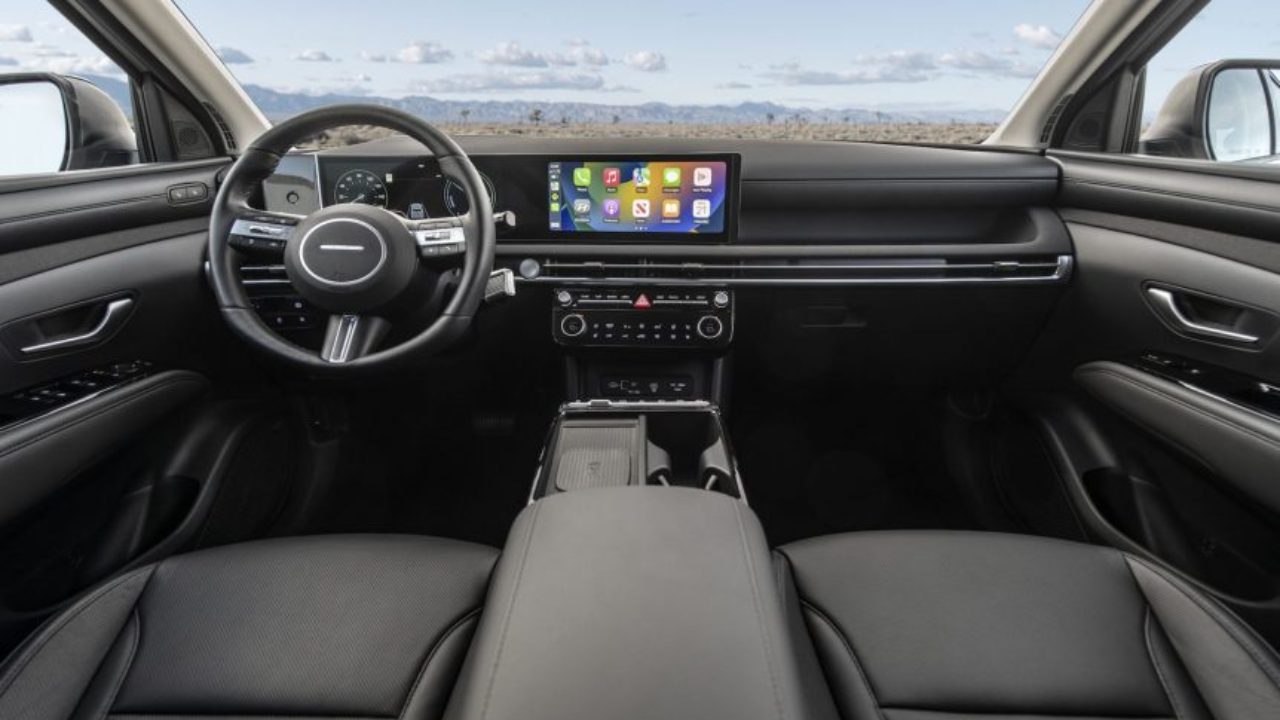
The 2025 Hyundai Tucson has made the greatest changes within the cabin. Hyundai has also discarded the previous segmented dash design in favor of a more horizontal and open design. The 12.3-inch digital instrument cluster and 12.3-inch infotainment display are combined to span the entire length of the dash, providing the cockpit with a unified, high-tech appearance.
The new Tucson also returns to physical knobs and buttons to control important functions of the car such as audio and climate control, unlike the previous versions that relied heavily on touch panels. That would be a refreshing experience to drivers who do not want to go through menus to find what they want. There is also better storage space and the center console does not feel as crowded and this is due to the fact that the traditional push-button transmission controls have been substituted with a mini steering column stalk.
Apple CarPlay and Android Auto are wireless, and there are several USB-C ports, and customers can choose a head-up display and high-quality Bose audio system on higher models. Software updates can be done over the air, thus, some systems can be enhanced without visiting a dealership.
Performance and Powertrains
The 2025 Hyundai Tucson still has several powertrain choices under the hood based on what you need. Its base model is equipped with a 2.5-liter naturally aspirated four-cylinder engine with 187 horsepower and an eight-speed automatic, which offers consistent performance in daily use.
Buyers seeking greater efficiency or power have a hybrid and plug-in hybrid (PHEV) choice. The hybrid system is a 1.6-liter turbocharged engine with an electric motor to produce 231 horsepower, which provides a peppy acceleration feel that impressed testers. The plug-in hybrid model adds power to approximately 268 horsepower and adds a bigger battery to a limited amount of pure electric range.
Hybrid and PHEV models have all-wheel drive as standard, and the gasoline engine has it as an option. The mechanical AWD system of the hybrid provides traction and control, but can sacrifice some fuel economy to systems that operate on electric motors to provide rear-wheel drive.
Driving Experience and Fuel Economy
The Tucson has always been fuel efficient, particularly in the hybrid version. The government estimates are approximately 35 miles per gallon in the city, highway, and combined ratings and the real-world testing recorded the average at the low-30s in the hybrid Limited trim. A more efficient Blue Hybrid version is capable of reaching 38 mpg due to aero modifications and smaller wheels.
The 2025 Hyundai Tucson is composed and responsive on the road in terms of driving dynamics. The hybrid model that was tested by MotorWeek took less than 7 seconds to cover a 0-60 mph sprint, which is a significant improvement compared to the previous models. The SUV also demonstrates nimble handling and low body roll and solid braking.
Read Also: Cruzdid com: A Digital Hub for Easy Online Knowledge
Safety and Driver Assistance Features
Hyundai has introduced and increased safety features in 2025 to enable the Tucson to compete in its segment. Some of the available upgrades include Forward Attention Warning, which is an infrared-based system that checks the concentration of the driver and Smart Cruise Control with improved alertness checks. The systems of rear occupant alert and better seatbelt hardware also help to increase the overall safety.
Common driver assistance systems such as lane-keeping assist and automatic emergency braking will be available on most trims, which will help in the daily commute and longer journeys. These systems, combined with the Hyundai SmartSense suite of features, make the Tucson a safe and secure option to customers.
Trim Levels and Pricing
The Hyundai Tucson 2025 model line is available in various trims and prices to meet the budgets of various customers. The starting price of the base SE is approximately $30,000, and hybrid models start in the mid-30s. Nice trims such as the Limited Hybrid that MotorWeek tested cost in the low 40s. Plug-in hybrids are at the more expensive end of the price range.
Trim upgrades include bigger wheels, panoramic sunroof, high-quality audio, head-up display, and advanced driver assistance technology. Regardless of the type of gasoline, hybrid, or plug-in hybrid, the Tucson provides a value/feature balance.
Pros and Cons
The 2025 Hyundai Tucson has much to be liked. The updated interior is more technologically advanced and user-friendly, the various powertrain choices provide a choice of efficiency and performance, and the ride quality is comfortable and composed of a small SUV.
Critics observe that the performance of the base gasoline engine is not exciting relative to some competitors, and non-hybrid trims have lower fuel economy than the best competitors. Nevertheless, to most consumers, the combination of comfort, technology, and utility will supersede these aspects.
Final Word
The 2025 Hyundai Tucson is a significant upgrade in the compact SUV category that adds value to the product without forgetting its practicality. The updated design, improved interior technology, and increased powertrain options make it a good competitor to anyone who is shopping in this category. The Tucson is a balanced option in 2025, whether it is efficiency, modernity, or general value that you are attracted to.
Read More: Fastest Bikes You Can Buy in 2026 Review : Top 10 Speed Machines Compared