Boxing has always been about more than fighting. It’s about legacy — the accumulation of victories, defenses, and defining moments that separate champions from contenders and legends from champions. In 2026, the sport’s championship landscape is richer, more complex, and more globally distributed than at almost any previous point in boxing history.
db bet follows combat sports with genuine analytical depth, recognizing that boxing’s championship structure generates the kind of sustained narrative engagement that serious sports audiences find compelling across entire careers rather than isolated events. Understanding the current boxing champions list, the organizations that sanction them, and how Premier Boxing Champions fits within the broader promotional ecosystem provides essential context for anyone following the sport seriously today.
Understanding Boxing’s Championship Structure
Before examining specific champions, understanding how boxing’s title system actually works is essential — because it differs fundamentally from every other major sport’s championship model in ways that confuse casual observers and occasionally frustrate dedicated fans.
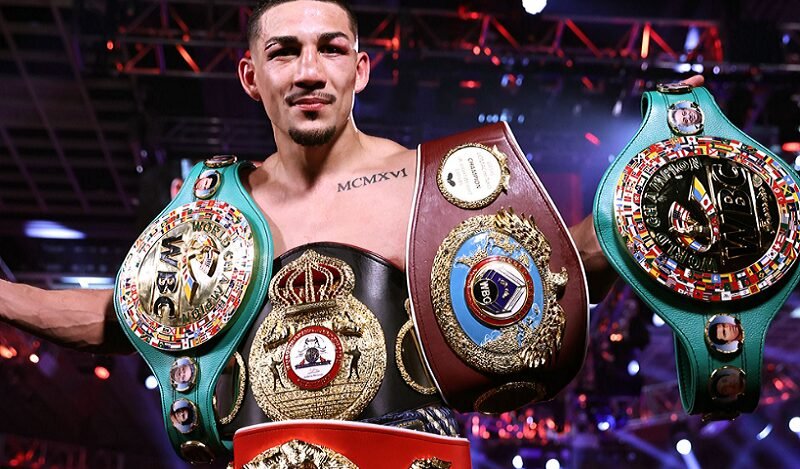
Boxing has no single governing body. Four major sanctioning organizations — the WBC, WBA, IBF, and WBO — each recognize their own champions across seventeen weight divisions. This means four potentially different champions can simultaneously hold legitimate title claims in any single weight class — creating a championship landscape that rewards careful navigation rather than surface-level engagement.
Unified champions hold titles from multiple organizations simultaneously — a genuine achievement reflecting dominance that transcends any single sanctioning body’s political considerations. Undisputed champions hold all four major belts simultaneously — the rarest and most prestigious achievement in contemporary boxing, representing genuine weight class supremacy beyond reasonable dispute.
Weight Divisions: The Framework 🥊
The boxing champions list spans seventeen weight divisions from minimumweight through heavyweight — each representing a distinct competitive ecosystem with its own stars, rivalries, and championship narratives.
Heavyweight remains boxing’s glamour division — the category that generates mainstream cultural attention regardless of casual observers’ knowledge of the sport’s technical dimensions.
Cruiserweight, light heavyweight, super middleweight, and middleweight complete the upper weight classes where the sport’s most commercially significant rivalries currently reside.
Super welterweight, welterweight, super lightweight, and lightweight represent the sport’s most athletically dynamic divisions — fighters combining explosive power with exceptional hand speed and footwork that heavier fighters rarely achieve at equivalent levels. The lighter divisions — super featherweight through minimumweight — produce extraordinary technical boxing that dedicated fans consider among the sport’s highest expressions despite receiving less mainstream commercial attention.
Heavyweight: The Championship Picture
The heavyweight division entering 2026 reflects a genuinely fascinating competitive moment. Oleksandr Usyk’s unification achievements established him as the defining heavyweight of his era — combining technical sophistication with genuine power in ways that challenged and defeated the division’s most physically imposing opponents.
The landscape continues evolving as mandatory challenger obligations, promotional negotiations, and the compressed timelines that heavyweight careers operate within shape which fights actually happen versus which matchups remain perpetually discussed without materializing. Current heavyweight championship status reflects both competitive achievement and the complex promotional chess that determines which fighters share rings at the sport’s highest level.
Tyson Fury’s status within the current boxing champions list reflects his own remarkable career narrative — a fighter whose physical gifts and ring intelligence produced championship performances that transcended the promotional circumstances surrounding them. His position in the 2026 heavyweight landscape represents one of the division’s most watched storylines regardless of formal title status at any specific moment.
Super Middleweight: Where Stars Collide 🌟
Super middleweight has established itself as perhaps boxing’s most star-studded division in recent years. The 168-pound weight class produced the sport’s most commercially successful rivalry of the recent era — Canelo Álvarez’s dominance and the challengers who emerged to test it generating the kind of sustained mainstream attention that boxing’s promotional ecosystem depends upon for health.
Canelo’s position within the current boxing champions landscape reflects championship achievement across multiple weight classes — a career spanning light middleweight through light heavyweight that represents one of contemporary boxing’s most complete competitive résumés. His continued activity at super middleweight shapes the entire division’s competitive hierarchy regardless of specific belt configurations at any moment.
The challengers competing for super middleweight relevance in 2026 come from genuinely international backgrounds — reflecting how completely boxing’s talent production has globalized beyond the traditional powerhouse nations that historically dominated the sport’s competitive supply.
Middleweight and Light Heavyweight
Middleweight’s 160-pound limit has historically attracted boxing’s most technically sophisticated fighters — the division that produced Sugar Ray Robinson, Marvin Hagler, and the sport’s most celebrated practitioners across its entire history.
Current middleweight championship contention reflects this tradition — fighters combining defensive intelligence with offensive capability in ways that reward technical knowledge in observers. The light heavyweight division simultaneously offers its own compelling championship narrative — a weight class where athletic tools and boxing intelligence combine at levels that make the best 175-pound fighters genuinely exciting for audiences across knowledge levels.
Premier Boxing Champions: The Promotional Landscape
Premier Boxing Champions represents one of boxing’s most significant promotional developments of the past decade — a promotional model that approached fighter acquisition, television distribution, and event production differently from traditional boxing promotion in ways that significantly reshaped the sport’s commercial landscape.
Al Haymon’s PBC organization built a fighter roster spanning multiple weight divisions and operating across broadcast partnerships that provided television exposure at scales that independent promotional approaches struggled to match. The PBC model prioritized fighter development and controlled matchmaking in ways that generated criticism regarding competitive urgency while undeniably producing some of boxing’s most commercially successful events.
Premier Boxing Champions fighters have held significant portions of the current boxing champions list across multiple weight classes — making PBC’s roster relevant to any serious examination of contemporary championship distribution. Understanding which champions operate under the PBC promotional umbrella helps contextualize the matchmaking decisions and broadcast placements that shape when and where title fights actually happen.
The WBC, WBA, IBF, and WBO: Organizational Differences
Each sanctioning organization brings distinct history, governance philosophy, and championship recognition criteria that shape how their belts are perceived within boxing’s internal culture.
The WBC — World Boxing Council — is broadly considered boxing’s most prestigious sanctioning body, partly reflecting its historical longevity and partly its association with the sport’s most commercially significant heavyweight championships across decades. The WBC’s green belt carries cultural weight that transcends pure organizational politics.
The WBA — World Boxing Association — holds the distinction of being boxing’s oldest sanctioning organization, though its practice of recognizing multiple champions simultaneously within single weight classes has occasionally diluted the perceived value of its championships. The WBA’s “super champion” and “regular champion” distinctions create hierarchical complexity that casual observers find genuinely confusing.
The IBF and WBO have both established genuine championship credibility across their operational histories — mandatory challenger systems and competitive ranking structures providing frameworks that, despite inevitable political complications, generally reflect competitive reality more reliably than purely promotional considerations would produce.
Pound for Pound: Beyond Weight Classes 🏆
The pound for pound rankings — identifying boxing’s best fighters regardless of weight class — provide the sport’s most meaningful cross-divisional competitive assessment. Current pound for pound conversations in 2026 involve fighters across multiple weight classes whose technical excellence and championship achievement justify genuine best-in-sport consideration.
Terence Crawford’s pound for pound credentials reflect career achievement spanning multiple weight classes — a southpaw whose defensive sophistication and offensive creativity produced performances that serious boxing observers consider among the sport’s contemporary peaks. His position in any honest 2026 pound for pound assessment reflects accumulated championship achievement rather than promotional positioning alone.
The pound for pound list generates boxing’s most passionate analytical debates — precisely because it requires cross-divisional comparison that resists simple resolution and demands genuine engagement with what boxing excellence actually means across different physical and competitive contexts.
Regional Champions and Global Talent Production 🌍
Contemporary boxing’s global talent distribution reflects how completely the sport’s competitive geography has shifted across recent decades. Latin America — historically a powerhouse through Mexico, Puerto Rico, and Panama — continues producing elite fighters across multiple weight classes while new competitive nations emerge alongside established traditions.
Central Asia has developed extraordinary boxing depth — Kazakhstan in particular producing Olympic and professional champions with a consistency that reflects systematic development investment rather than accidental talent emergence. Eastern Europe’s boxing traditions continue generating heavyweight and cruiserweight talent at rates that shape the upper weight class landscape globally.
Africa’s boxing development — particularly through Nigeria, Ghana, and increasingly East African nations — reflects both historical competitive tradition and contemporary investment creating new championship pathways. The global distribution of current boxing champions across the complete weight division list reflects this international talent democratization more completely than any previous era of the sport.
The Undisputed Chase
Boxing’s most compelling ongoing narrative in 2026 involves which fighters are pursuing or defending undisputed status — holding all four major organizational belts simultaneously in a single weight class. The commercial and historical significance of undisputed championships creates the sport’s most straightforward storytelling framework — clear objectives, definitive achievement, unambiguous supremacy.
Fights made around undisputed championship pursuit cut through the promotional complexity that otherwise characterizes boxing’s championship landscape — providing casual observers with immediately comprehensible stakes that technical belt-by-belt analysis cannot deliver equivalently. When undisputed fights actually happen, they generate the sport’s highest commercial moments and most enduring competitive memories.
The 2026 boxing champions list reflects a sport simultaneously more globally distributed, more organizationally complex, and more athletically extraordinary than at almost any previous moment in its long history. Navigating that complexity — understanding which championships reflect genuine competitive supremacy versus organizational politics — is precisely what separates serious boxing engagement from surface-level following. The sport rewards that deeper understanding with narratives rich enough to sustain genuine long-term engagement across the careers of its greatest practitioners.