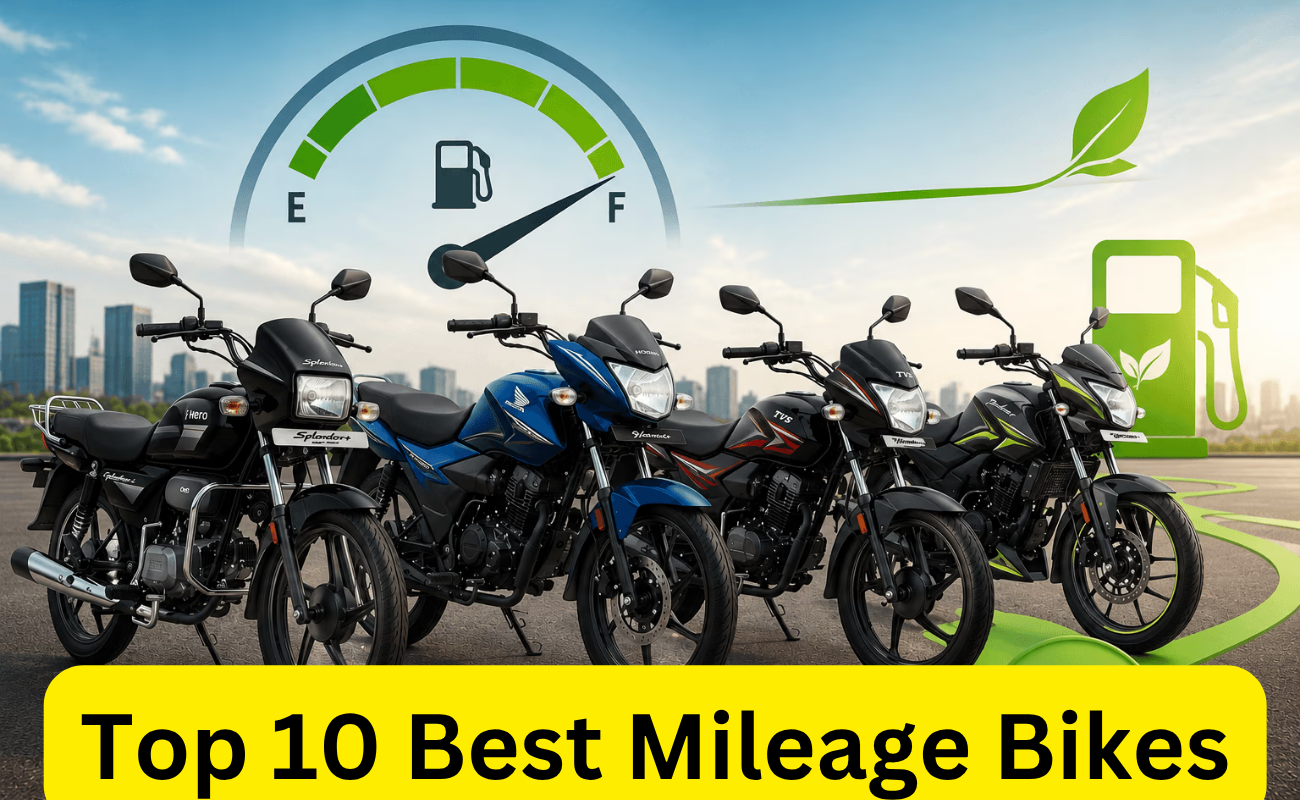
Top 10 Best Mileage Bikes in India

Top 10 Best Mileage Bikes in India

Fuel prices are increasing day by day. Again. If you’re someone who fills up their bike tank twice a week and feels that pinch every single time, you’re not alone. Most of us in India don’t buy bikes for speed or show-off value — we buy them because we need to get from point A to point B without emptying our wallets.

So I sat down and actually looked at what’s available in the market right now. Not the fancy 300cc monsters or the sports bikes that guzzle petrol like it’s free. I’m talking about real, practical, high-mileage commuters that your dad, your neighbor, and probably your delivery guy all ride.
Here’s my honest take on the 10 Best Mileage Bikes that’ll save you the most money on fuel.

What Bikes Actually Save You the Most Fuel?

Before we get into the list, here’s the thing — I didn’t just trust whatever the companies claim in their ads. ARAI figures are one thing, but real-world mileage is another. I’ve looked at owner reviews, actual user-reported numbers, and how these bikes hold up after a year or two of daily use.
All 10 Best Mileage Bikes on this list are 100cc to 125cc commuters because that’s honestly where the magic happens. They’re light, they’re simple, and they sip fuel instead of gulping it. No surprises, no gimmicks — just solid machines that won’t make you wince every time you pass a petrol pump.

Bike Overview

Ranking Bikes Mileage CC
1 Hero Super Splendor XTEC 72 kmpl 125cc
2 Hero Passion Plus 71 kmpl 100cc
3 Hero Splendor Plus XTEC 70-73 kmpl 100cc
4 Hero Splendor Plus (Standard) 70 kmpl 100cc
5 Hero HF Deluxe 65-70 kmpl 100cc
6 Bajaj Platina 110 70 kmpl 110cc
7 Bajaj Platina 100 70-72 kmpl 100cc
8 TVS Sport 70 kmpl 110cc
9 Bajaj CT 110X 70 kmpl 115.45 cc
10 Honda Livo 70 kmpl 110cc

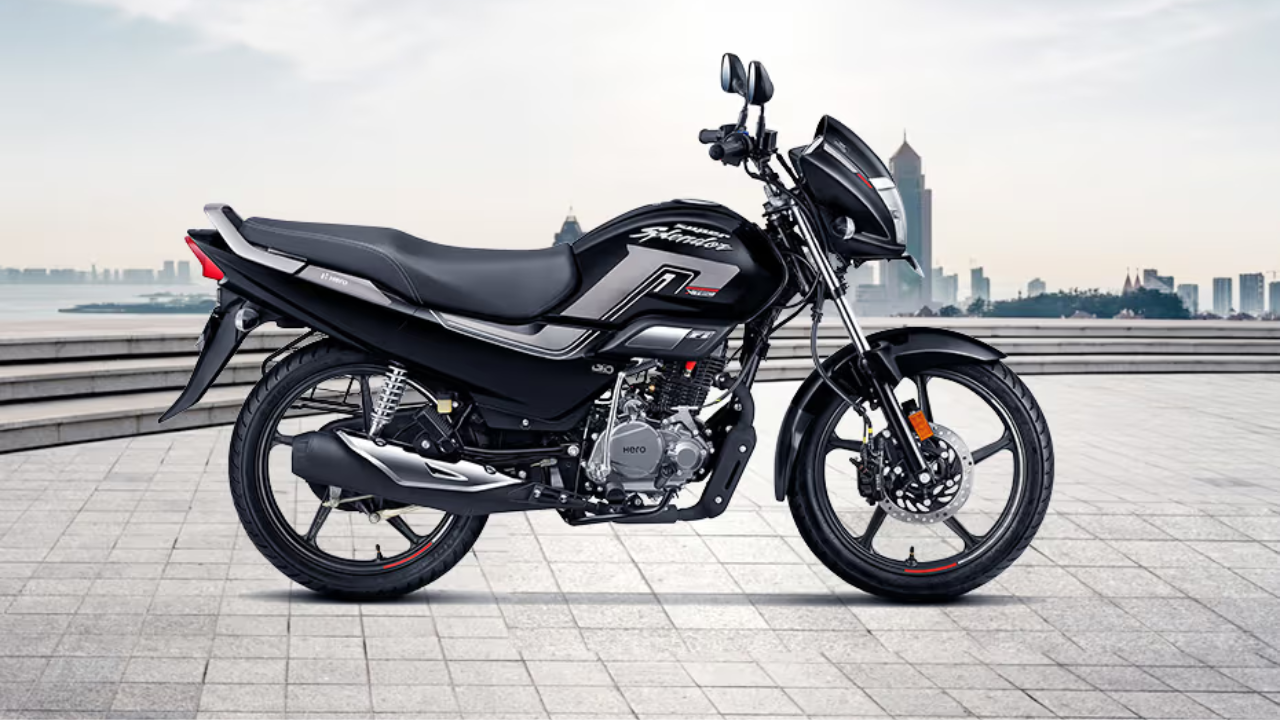
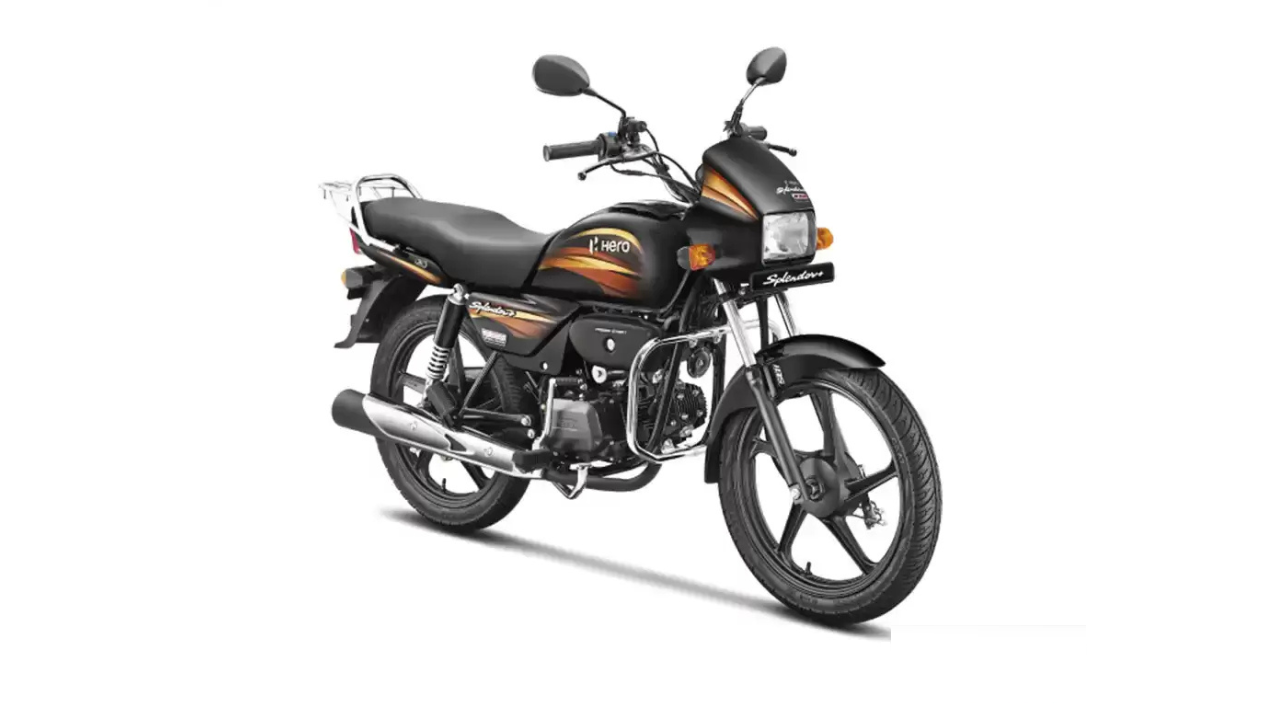
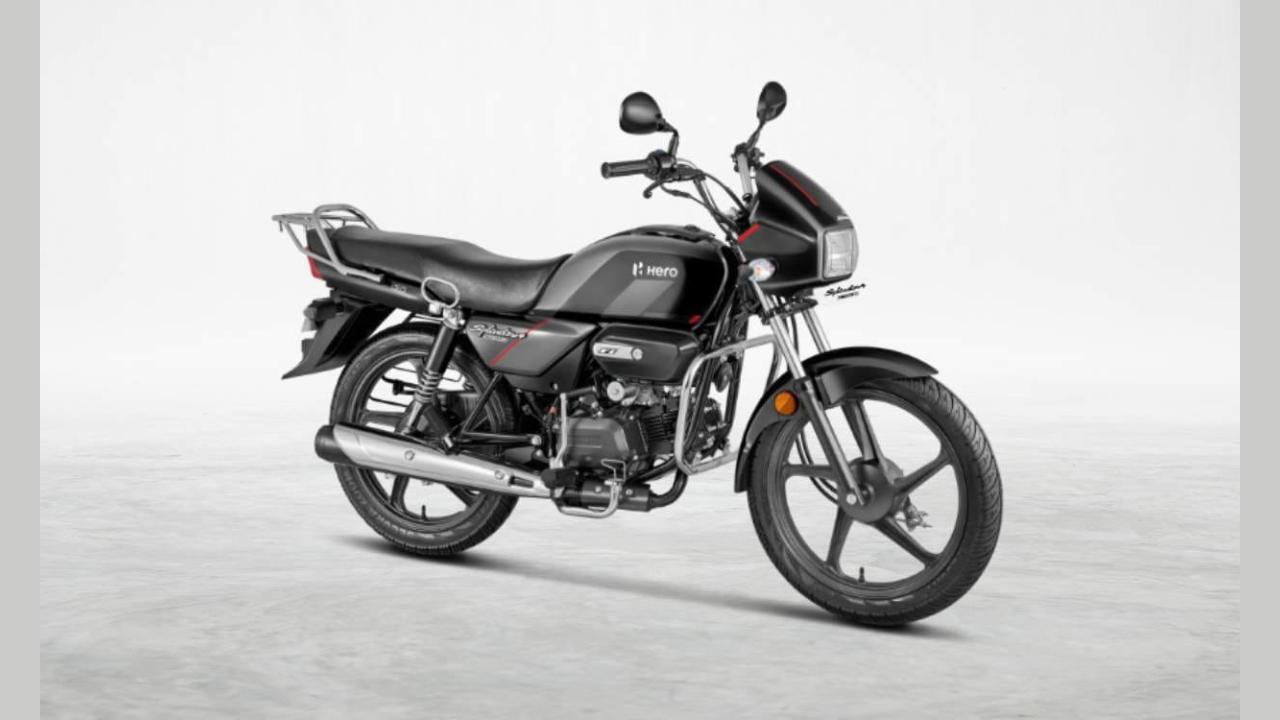
1. Hero Super Splendor XTEC

Let’s start with the king of mileage. Hero claims around 72 kmpl for this one, and honestly? Real-world riders are getting pretty close to that.

1. Hero Super Splendor XTEC

It’s a 125cc bike, so it’s got enough punch for highway overtakes, but it’s still incredibly frugal. The XTEC variant comes with a digital console, Bluetooth (yes, really), and that i3S tech that shuts the engine off at signals. Price hovers around ₹78,000 to ₹82,000 ex-showroom.

What I like? It doesn’t feel cheap. What I don’t? The design is… well, it’s a Splendor. You know what you’re getting.

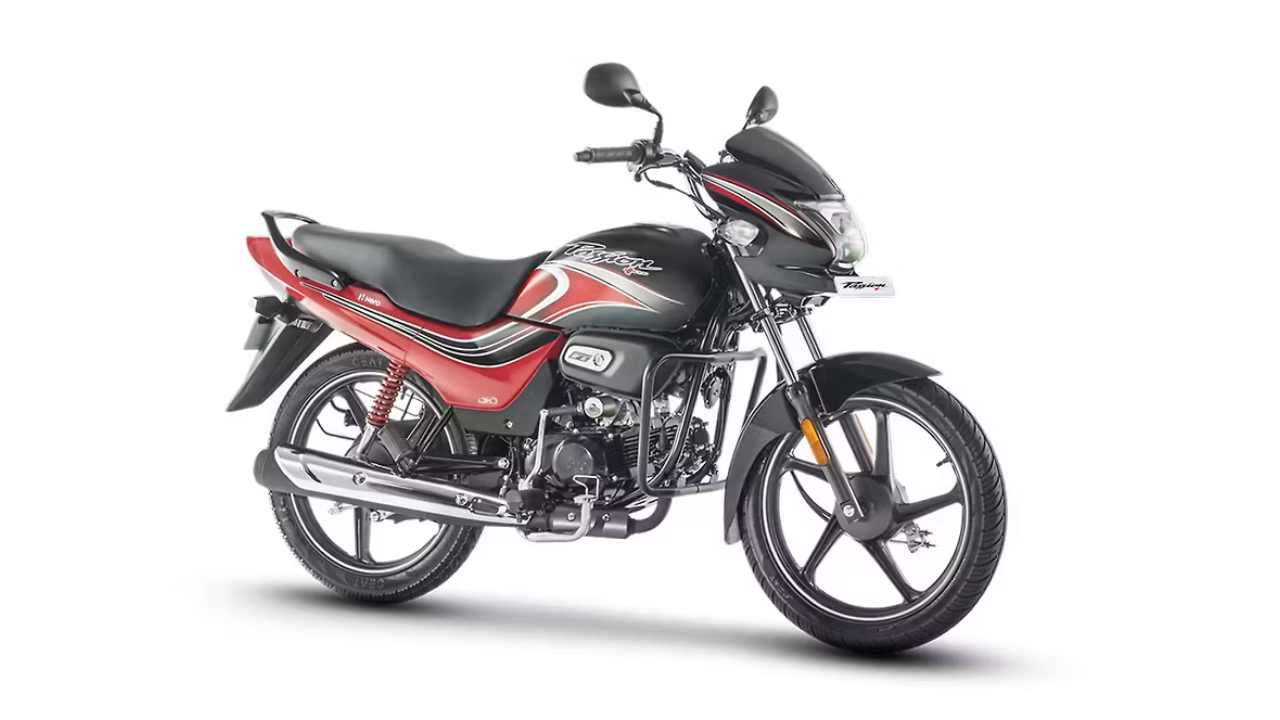
2. Hero Passion Plus

2. Hero Passion Plus

This one surprised me. Around 71 kmpl from a bike that actually looks decent? Sign me up.
The Passion Plus sits at roughly ₹80,000 ex-showroom. You get a semi-digital cluster, USB charging (because who doesn’t need to charge their phone mid-ride?), and side-stand engine cut-off. It’s light, nimble, and perfect for weaving through city traffic.

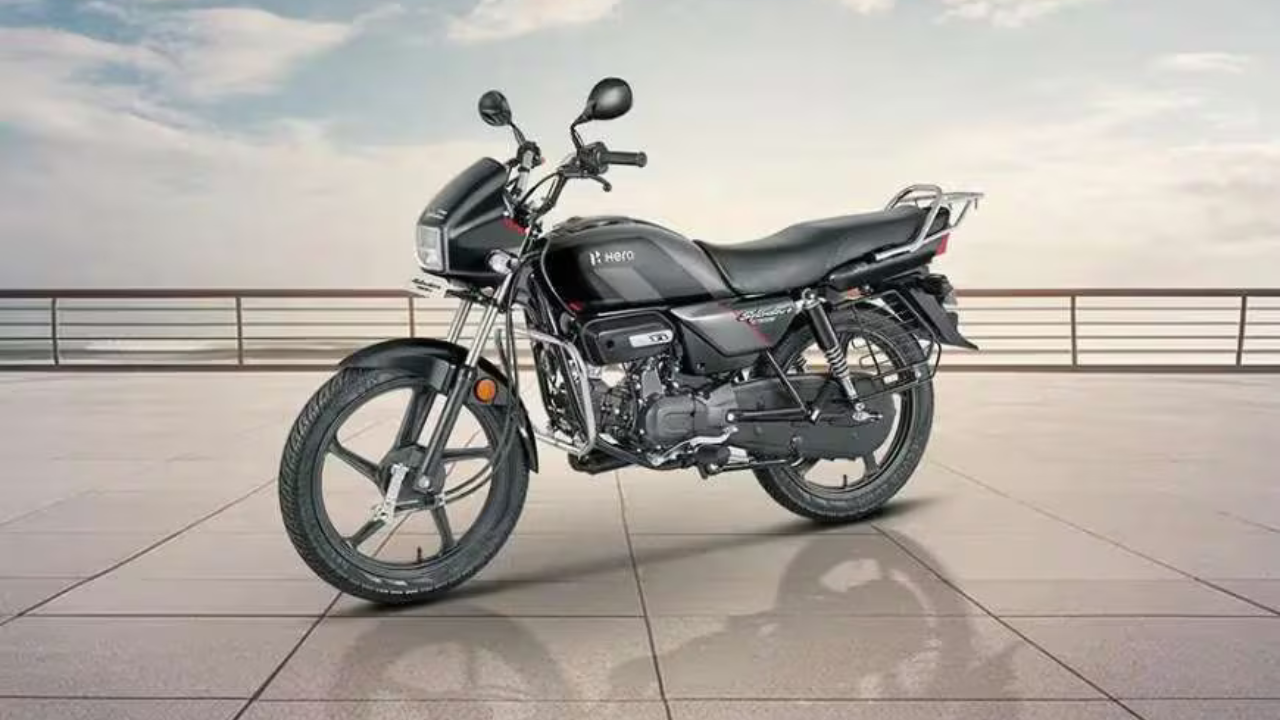
3. Hero Splendor Plus XTEC

I know, I know — another Splendor. But hear me out. The XTEC version of the regular Splendor is genuinely good. We’re talking 70-73 kmpl depending on how you ride it.

3. Hero Splendor Plus XTEC
Priced between ₹77,000 and ₹80,000, it’s got xSens fuel injection and a fully digital speedometer. The service network is everywhere — literally everywhere. Break down in a village in UP? Someone within 10 km can fix a Splendor. That’s peace of mind you can’t put a price on.

4. Hero Splendor Plus (Standard)

The OG. The legend. The bike your uncle has been riding since 2010. At about ₹77,777 onwards, this 97.2cc workhorse gives you roughly 70 kmpl. No fancy gadgets, no Bluetooth, no nonsense. Just a reliable engine that starts in the morning, doesn’t complain, and sips fuel like a miser. If you want something that just works, period, this is it.

4. Hero Splendor Plus (Standard)

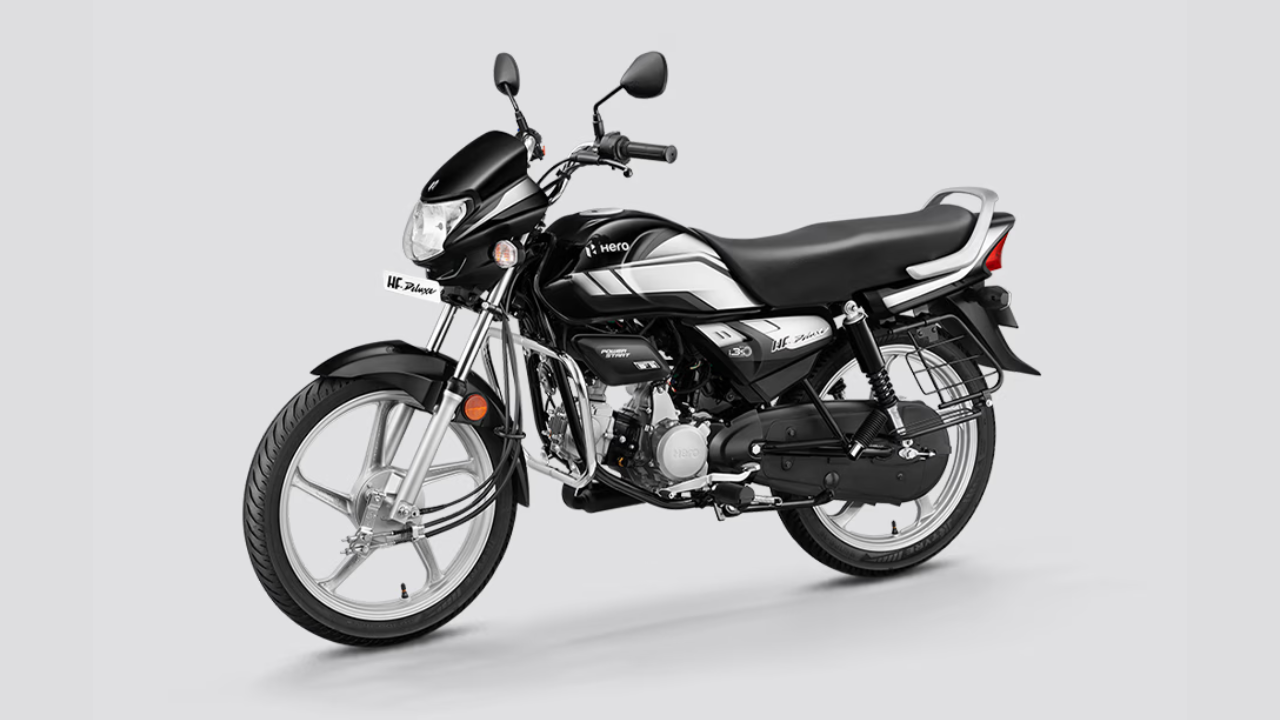
5. Hero HF Deluxe

Now we’re getting into budget territory. The HF Deluxe starts at around ₹56,000 and goes up to about ₹59,000. For that money, you’re getting 65-70 kmpl and Hero’s i3S system.

5. Hero HF Deluxe

Is it pretty? Not really. Does it have features? Barely. But if you’re a student, a delivery rider, or someone who just needs two wheels and an engine that doesn’t drink petrol, this is your bike. It’s the definition of “value for money.”

Read Also: Rajdoot 350 Bike Price: What It Actually Costs Today (Used, Restored and the Rumored Relaunch)

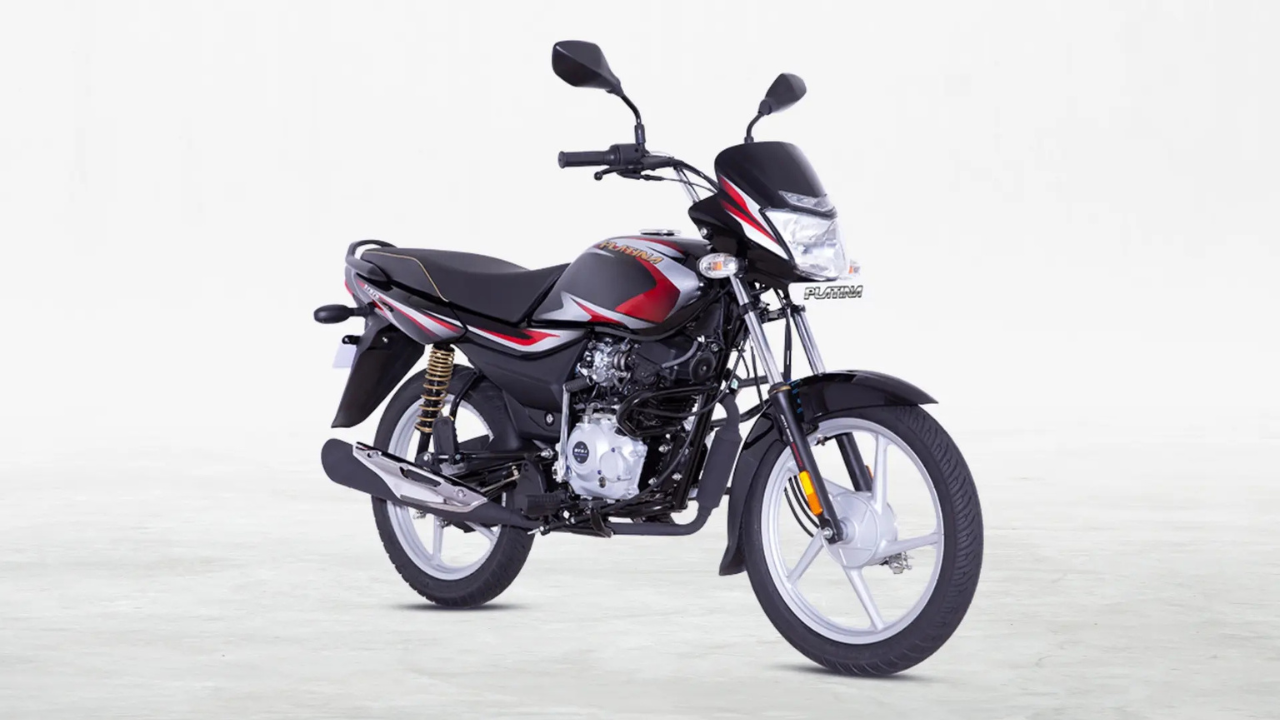
6. Bajaj Platina 110

Bajaj knows a thing or two about mileage, and the Platina 110 proves it. Around 70 kmpl from a 110cc engine, and the ride quality? Surprisingly good.

6. Bajaj Platina 110See, Platina has this long-travel suspension that eats up potholes for breakfast. If your daily route looks like the surface of the moon, this bike will save your back and your fuel budget. Price is roughly ₹73,000 to ₹76,000.
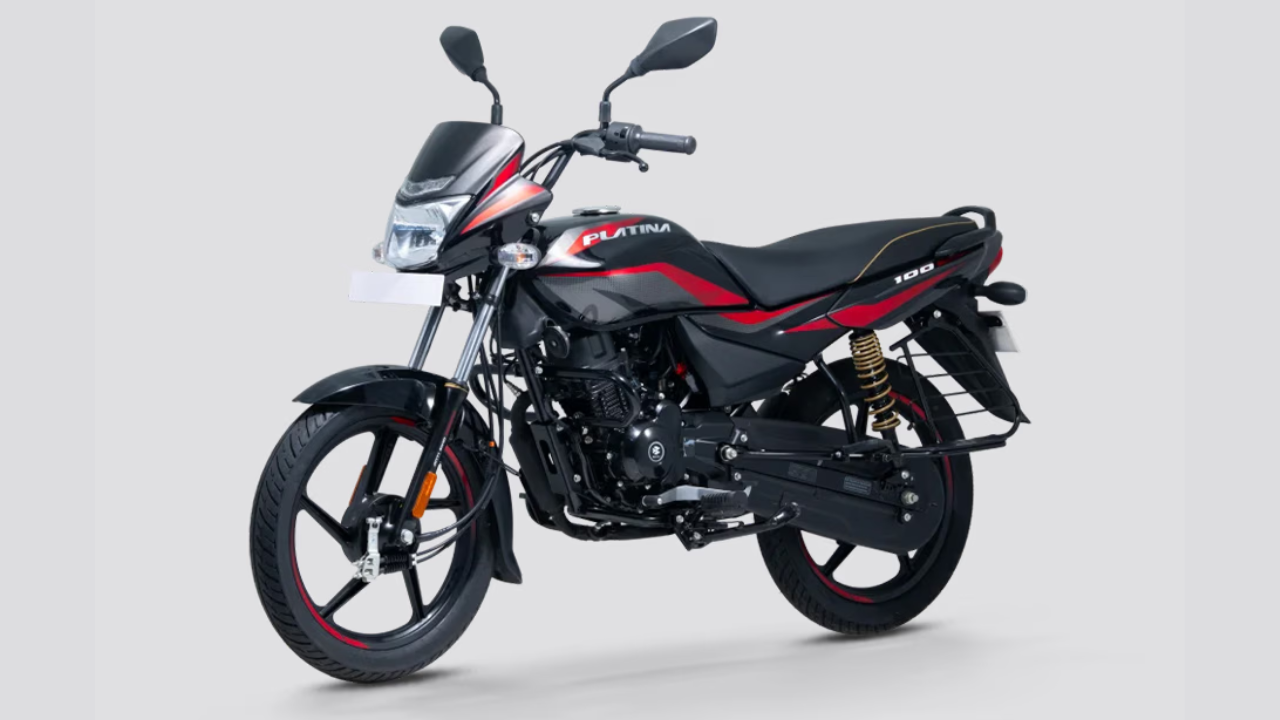
7. Bajaj Platina 100

Step down to the 100cc version and you save even more money upfront — starting around ₹66,000. Mileage is similar, around 70-72 kmpl, and you still get LED DRLs and electric start on the higher variant.

7. Bajaj Platina 100It’s not exciting. It’s not fast. But it’ll get you to work and back for pennies.
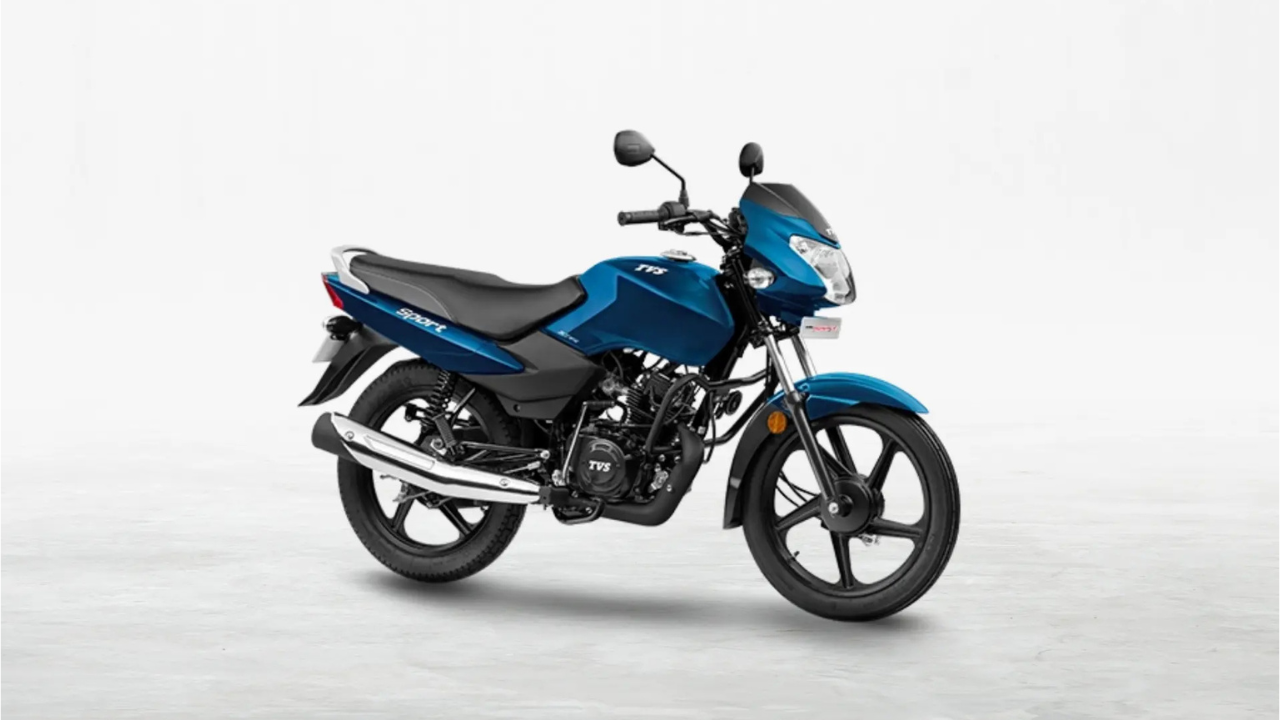
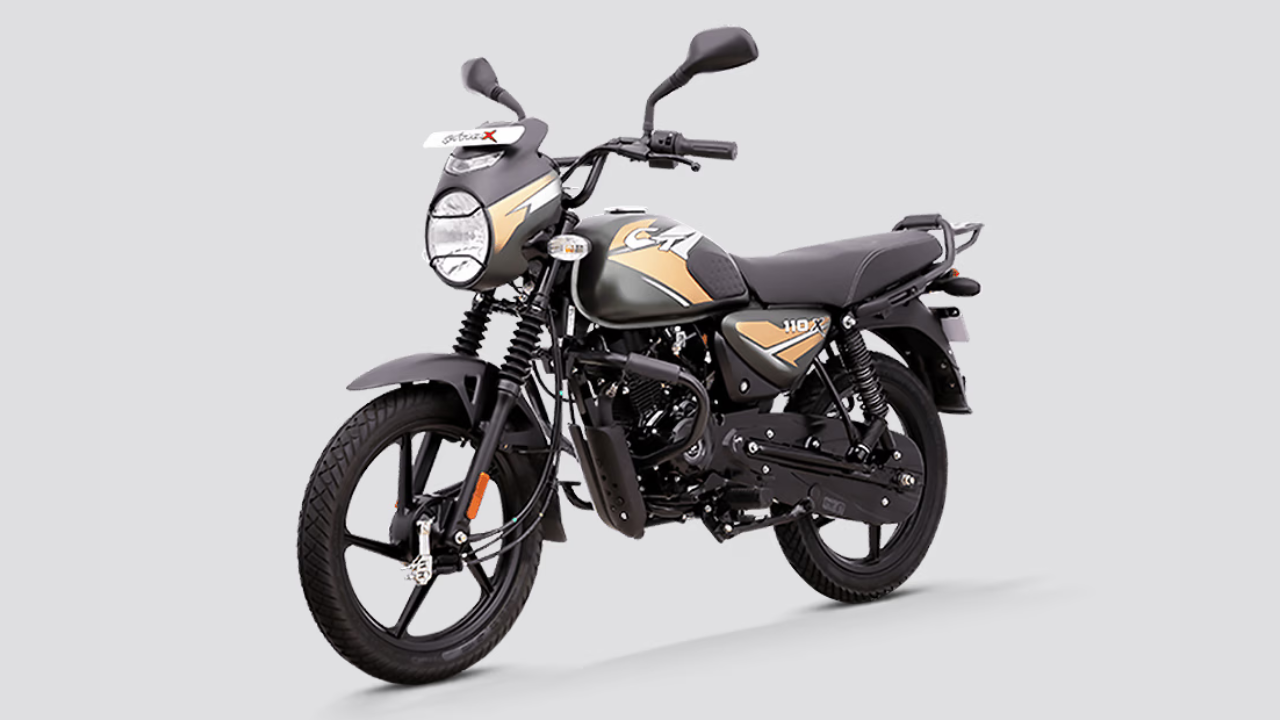
8. TVS Sport

The cheapest bike on this list, and honestly? It’s not bad at all. Around ₹59,000 to ₹66,000, and you’re looking at roughly 70 kmpl.

8. TVS Sport
The 109.7cc engine is peppy enough for city traffic, and at just 112 kg, it’s super easy to maneuver in tight spots. First-time buyers, this is your gateway drug into motorcycling.

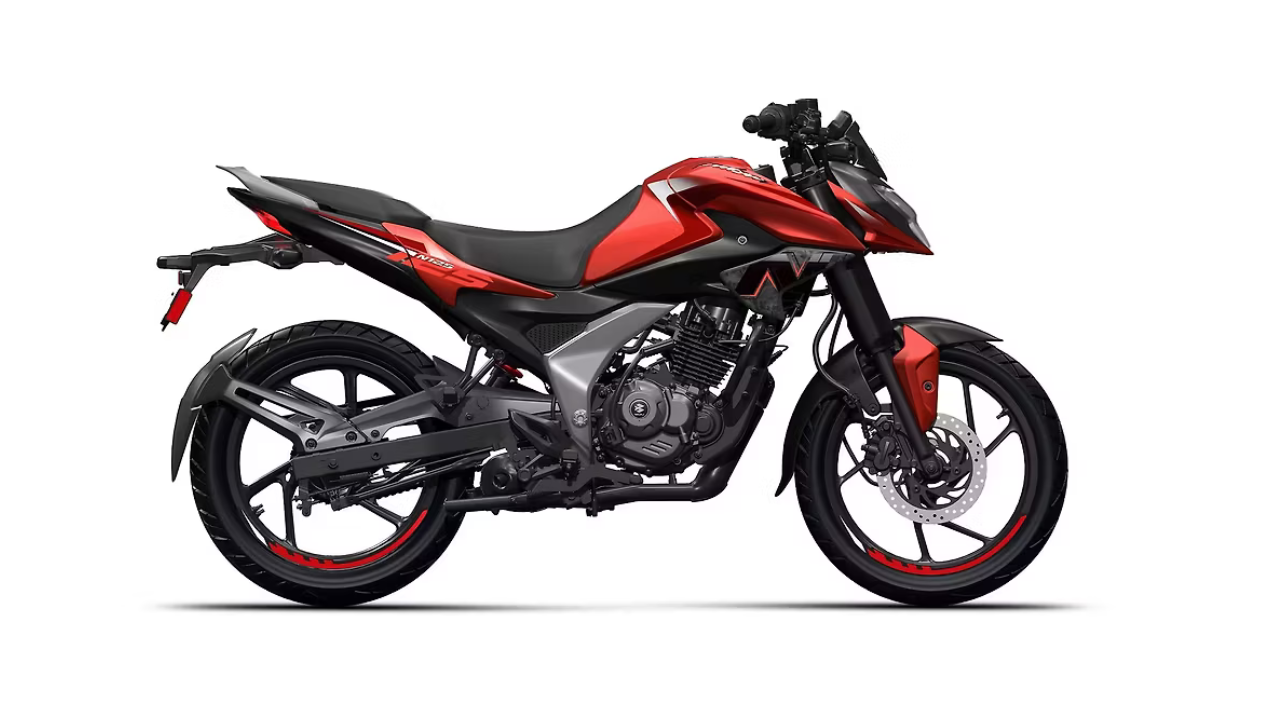
9. Bajaj CT 110X

This one’s for the rough road warriors. The CT 110X looks like it was built for a war zone — crash guards, high ground clearance, rugged styling. And yet, it returns about 70 kmpl.

9. Bajaj CT 110X
Priced between ₹69,000 and ₹75,000, it’s perfect if you live in a village or small town where roads are more suggestion than infrastructure. It’ll take a beating and ask for more.

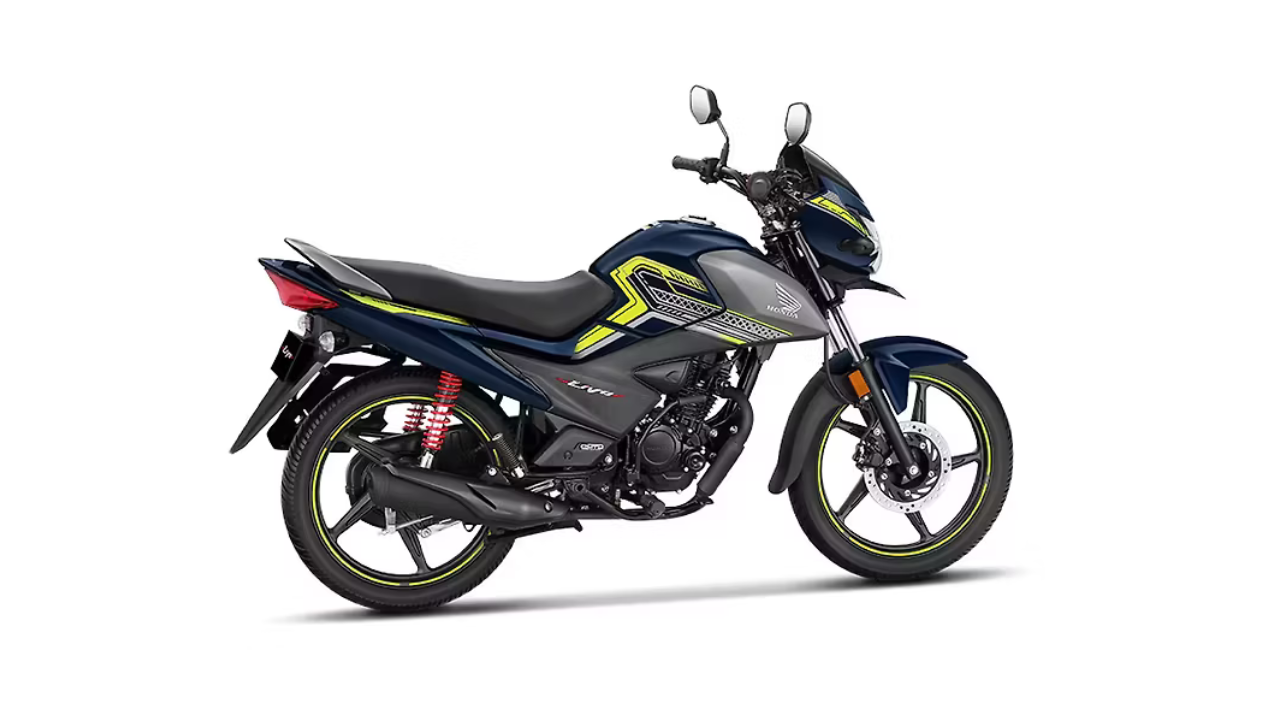
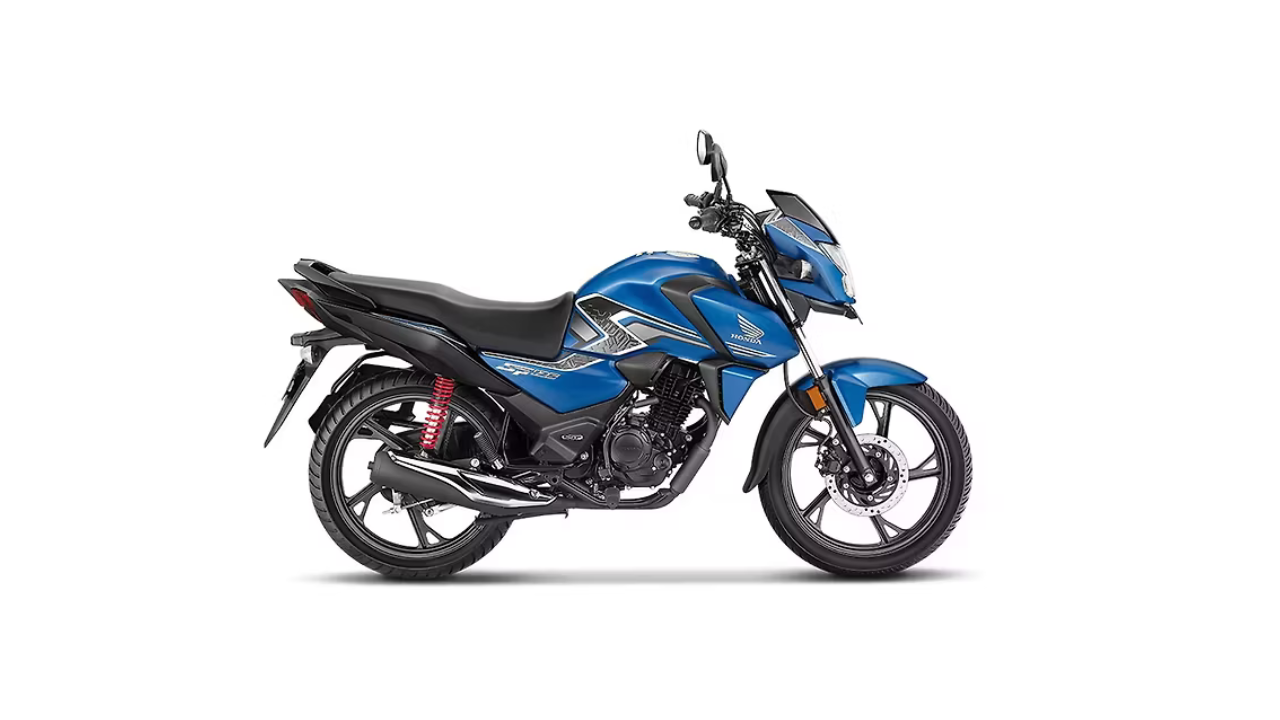
10. Honda Livo

Finally, something with a bit of style. The Honda Livo brings sharp graphics and a semi-digital console to the party, along with Honda’s legendary engine refinement.
Around 70 kmpl from the 110cc engine, priced between ₹68,000 and ₹79,000. It also gets tubeless tyres and CBS braking, which is genuinely useful when you’re panic-braking because a cow decided to cross the road.

10. Honda Livo

Quick Look at the Numbers

Bike Mileage Price (Ex-Showroom)
Super Splendor XTEC ~72 kmpl ₹78K – ₹82K
Passion Plus ~71 kmpl ~₹80K
Splendor Plus XTEC ~70-73 kmpl ₹77K – ₹80K
Splendor Plus ~70 kmpl ₹77K onwards
HF Deluxe ~65-70 kmpl ₹56K – ₹59K
Platina 110 ~70 kmpl ₹73K – ₹76K
Platina 100 ~70-72 kmpl ₹66K – ₹73K
TVS Sport ~70 kmpl ₹59K – ₹66K
CT 110X ~70 kmpl ₹69K – ₹75K
Honda Livo ~70 kmpl ₹68K – ₹79K

Final Word

Look, most of these bikes are going to give you similar mileage in the real world. The difference between 70 and 72 kmpl? Maybe ₹100-200 a month. Not life-changing.

What actually matters is how the bike fits your life. Do you need something that handles bad roads? Go Platina. Want something that every mechanic in India can fix? Splendor. On a tight budget? HF Deluxe or TVS Sport.

And here’s something nobody tells you — your riding habits matter more than the bike. Keep your tyres inflated, don’t race from every signal, and get your bike serviced on time. Do that, and even a “lower mileage” bike will surprise you.Ride safe, save fuel, and may your tank always be full. 🏍️

Read More: Best Bikes Under 1.5 Lakh in 2026: Top Picks & Buying Guide

Best Bikes Under 1.5 Lakh in 2026: Top Picks & Buying Guide

Best Bikes Under 1.5 Lakh in 2026: Top Picks & Buying Guide

There is no need to spend a fortune when you purchase your first bike or upgrade to a better one. The market for bikes below 1.5 lakh is also gaining momentum in 2026 and manufacturers are adding more mileage, sportier appearance, and smarter features to this segment.

This price range is perfect for anyone who wants a stylish look but doesn’t want to break the bank, or for those who commute every day looking for a reliable budget-friendly option.

Why Choose Bikes Under 1.5 Lakh?

It’s in the sweet spot for price and performance. No matter how you look at it, you have the reliability and quality and low running costs without breaking the bank. It is also the preferred range for people who are buying their first car, college students, and for people in the workforce who need a car that they can use on a daily basis. Today, there are plenty of bikes available which even fall under 1.5 lakh and so the buyers do not need to sacrifice between looks and functionality.

Top Bikes Under 1.5 Lakh

Here’s a look at some of the standout bikes under 1.5 lakh currently available, spanning different riding styles and preferences.

Hero Splendor Plus / Hero Glamour

Hero Splendor Plus / Hero Glamour

Hero’s bikes are widely known for their simplicity, reliability and economical performance. The Splendor Plus is a popular option for commuting in the office; it is comfortable, smooth and offers excellent mileage. More sporting in appearance than the Glamour, it also features a semi-digital display in keeping with the low running cost. Hero’s Service Centres are found almost everywhere including small towns, so servicing your bike is never a hassle.

Honda SP 125 / Honda Shine

Honda’s 125cc motorcycles have a nice balance of good styling and smooth performance. The design of the SP 125 is sporty, it features a digital display and Honda’s fuel saving advancements, which means it won’t compromise on power to save gas. For those who only require an easy daily ride, the Shine will do the job easily and comfortably. Both of these bicycles are considered to be long lasting and have a good resale value.

Honda SP 125 / Honda Shine

Bajaj Pulsar 125 / Pulsar N150

For a slightly more aggressive look, the Pulsar series is recommended. The Pulsar 125 offers sporty styling and good mileage, whereas the Pulsar N150 packs in a more powerful engine and a more aggressive handling. Bikes like these are favored by young people who would like to ride them during the day but on the weekend for fun.

Bajaj Pulsar 125 / Pulsar N150

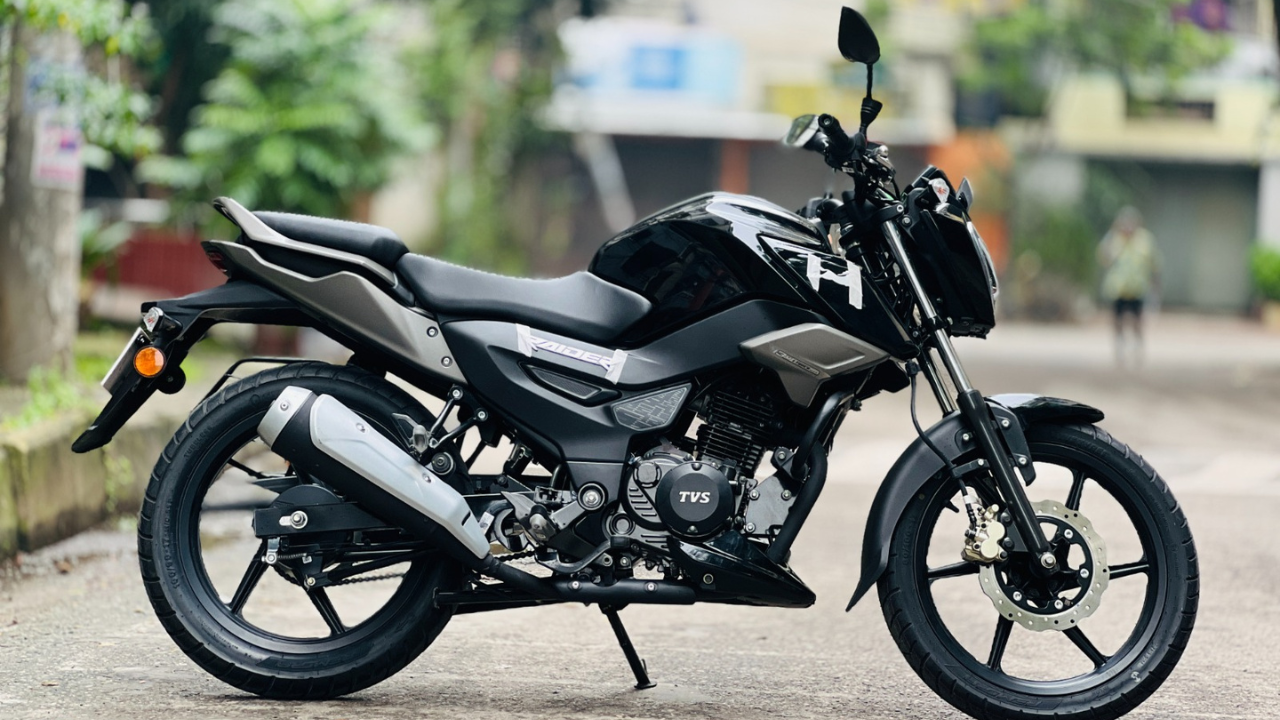
TVS Raider 125

The Raider 125 is designed to appeal to those who enjoy new-age attributes. It has a comprehensive digital screen, smartphone compatibility and various ride modes. This is easy to wear, fast to traffic and sporty. If you’re looking for performance, style and tech in one, this bike’s for you.

TVS Raider 125

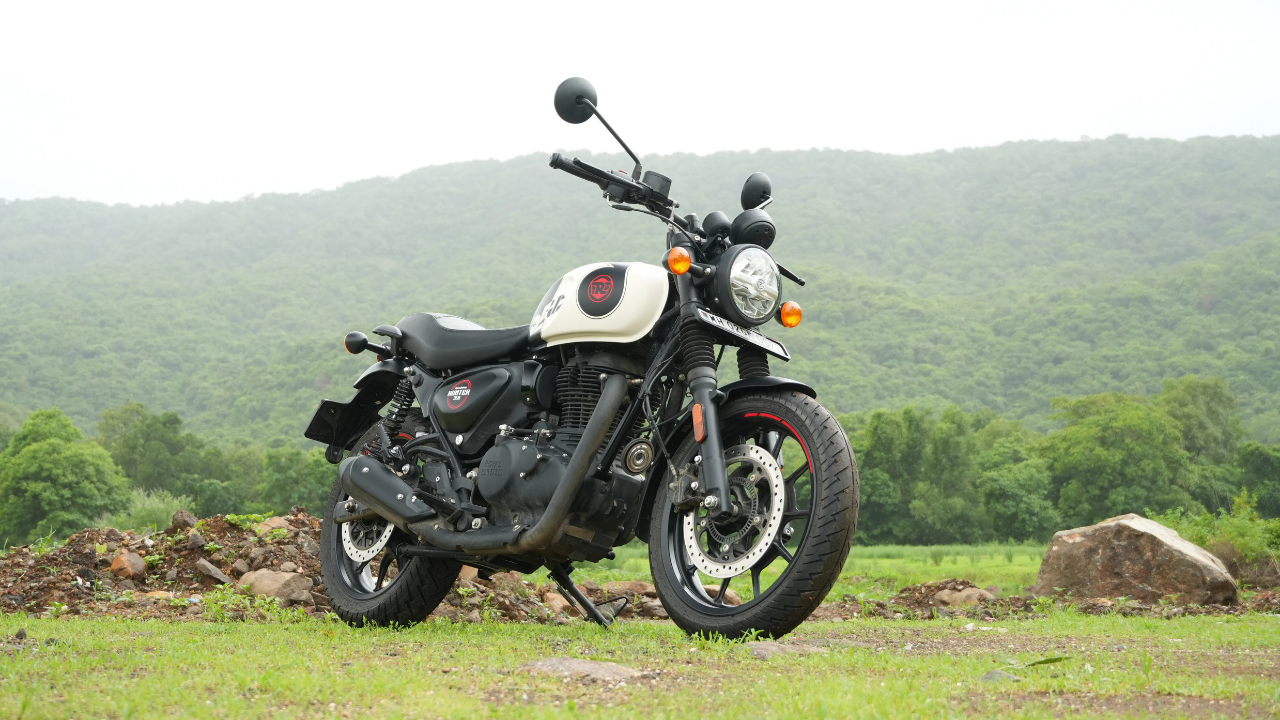
Royal Enfield Hunter 350 (base variants)

If you can afford to spend a little more in this price range, consider some of the models offered at the Hunter 350. It looks classic and retro, and has the famous engine noise of Royal Enfield. Also if you are someone looking for a bicycle that’s more than just a means of transportation, then this is the bike for you.

Royal Enfield Hunter 350 (base variants)

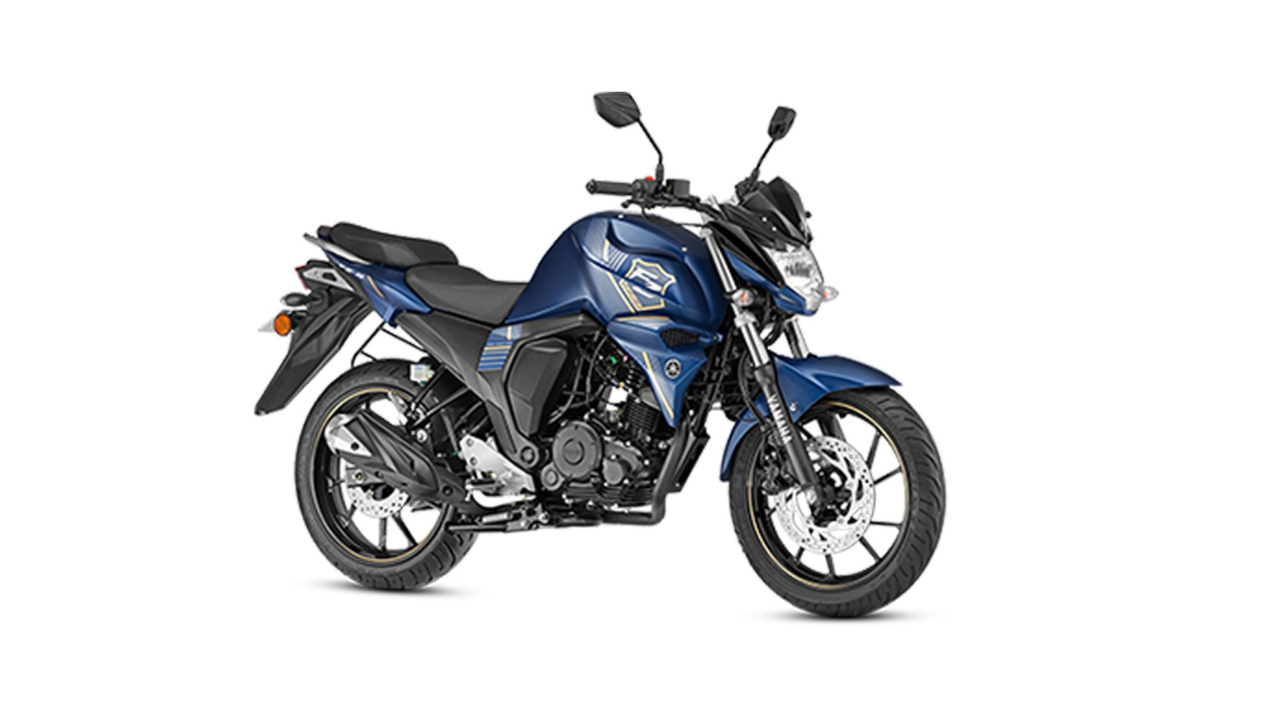
Yamaha FZ-S / Yamaha Saluto

FZ-S enjoys a muscular appearance, smooth handling and powerful braking, making it an ideal choice for sportier riders. The Saluto, however, is more laid-back and emphasizes comfort and miles. These two combined provide Yamaha enthusiasts with an option of both fun and usability.

Yamaha FZ-S / Yamaha Saluto

Read More: Rajdoot 350 Bike Price: What It Actually Costs Today (Used, Restored and the Rumored Relaunch)

Key Factors to Consider Before Buying

Here are a few things to consider before finalizing your purchase:

  • Mileage & Fuel Efficiency – Fuel efficiency takes time and distance into account, which makes it a good indicator for how much money the car will save you over time, particularly if you commute daily.
  • Engine Capacity & Power – Select between 100cc-125cc for the pure commuting bike or 150cc+ for additional power on the highway.
  • Build Quality & Safety Features – Consider Dual channel ABS, robust frames, and adequate ground clearance.
  • Resale Value – Popular brands that have good service networks tend to have good resale value.
  • After-Sales Service – A broad network of services makes maintenance and part availability easy and timely.

Petrol vs Electric Bikes Under 1.5 Lakh

The established infrastructure and faster re-fueling keeps petrol bikes dominating this segment. But electric bikes are fast catching up and provide low maintenance, fuel-free, and eco-friendly rides. If you ride less than 80-100 km a day, and charging isn’t a problem, then an e-bike might be a good long term investment.

Final Word

The best bike for you will depend on your riding style, budget and needs. From the point of view of mileage, power, or style, there’s not much that you cannot find that’s good and under 1.5 lakh in 2026. It’s something you’ll be using for years, take time to compare, read owner reviews and test drive a few models before deciding.

FAQs

1. Which is the best bike under 1.5 lakh in 2026?
It’s not a “best” bike, it is a bike that is best for you. Commuters should consider mileage and low maintenance, but those seeking more power can consider the 150cc.

2.What is the meaning of the bikes that cost less than 1.5 lakh?
In this range the mileage of most of the bikes is 40-60 kmpl, depending on the size of the engine. Commuter bikes come in at 100-125cc and offer the greatest fuel economy.

3. Does one have good electric bikes under 1.5 lakh?
Yes, there are some electric bike models available that are in this range, have a decent range, are low maintenance and low running cost, provided you can charge them easily.

4. Which bike under 1.5 lakh has the lowest maintenance cost?
A good rule of thumb is that 100-125cc engines from trusted manufacturers with extensive networks of service shops are the least expensive to maintain.

5. Should you be purchasing a 125cc or 150cc bike with this price?
If you have to travel a lot on the city streets, then you should opt for 125 cc. Consider using 150cc if you plan to ride off-road or on the highways for increased performance.

Read More: Mercedes-Benz T&T Mo: A Trusted Destination for Luxury Cars in India

Voozon.com Explained: What It Is, Features & How It Works

Knowing where to start when you have a new website, such as Voozon.com, is important, particularly if you’re seeking reliable information that is hard to locate or difficult to find.

Searchers of this term are merely looking to understand the platform, whether it functions as it is supposed to, and if it is safe to use. This guide dissects the domain in a research manner, allowing you to make the right evaluation instead of making an educated guess.

What Is Voozon.com?

The domain Voozon.com seems to be a gateway to the web. It is probably a better idea to view it as a digital platform that is currently set up to serve content, tools or services, rather than a definite service model. The specifics of these types of domains may change over time and are typically employed for a beginning project, an experimental service, or a combined service. The easiest way is to visit the live site, as opposed to secondhand descriptions.

How Platforms Like Voozon.com Typically Work

How Platforms Like Voozon.com Typically Work

  • Access model: Most of the sites in this category are accessed via the web only and do not require downloads or installs. The interaction that most visitors have is done via a landing page, menu or dashboard.
  • Content or service layer: The purpose of a platform may include providing informational content, digital tools, user accounts, or links to external services.
  • Backend dependency: These platforms typically have servers that handle requests, authentication, and data management, so there is a need for security checks prior to signing up or providing information.

Read Also: Lewis Hamilton: Ferrari, Formula 1 Legacy, and the Next Chapter of a Racing Icon

Key Things to Check Before Using Voozon.com

  • Ownership transparency — Legitimate platforms will have ownership information, a company name, or contact information. It is noteworthy that it is not included.
  • Security signs — If there are accounts, make sure to see if they have HTTPS, a valid SSL certificate, and secure login process.
  • Clarity about the content — A reliable site has a clear description of its content on the home page. If this is absent then dig deeper and then play.

Why People Search for Voozon.com

There are three main types of interest that people have in sites that they are not familiar with.

  • Information search: Just looking for information about what the site does.
  • Verification of trust: Verifying that it is legitimate before entering any information.
  • Feature exploration: Searching for and/or using a specific tool that is hosted there.

Evaluating Voozon.com Safely

  • Review the ownership information — See if there is an About page or information about who is registered.
  • Check for external references — Check if there are references outside the site of a credible source or community.
  • Test navigation — A good platform will have all the links working and branding consistent, with a clear menu.
  • Do not give sensitive information early — Only enter personal and financial information when you are sure the site is real.

Potential Use Cases

It’s not entirely certain what it’s used for, but websites with an organization similar to Voozon.com typically will run:

Potential Use Cases

  • A hub of information and resources.
  • A tool or utility that is software based.
  • A landing page for a more general service.
  • A product in its infancy, or just one being tested, that is a ‘SaaS’ product.

Final Word

The only way to truly know what Voozon.com is about is to carefully examine it. Before proceeding further, make sure it has a strong degree of ownership transparency, security indicators, and content clarity. It might still be in the process of developing its purpose, but by applying a consistent verification process, verifying its legitimacy, abstaining from premature data sharing, and checking its mentions from external sources, you may make an informed decision. Use this guide as a guide only; always check up-to-date information on the website itself.

FAQs

1.What can you do with Voozon.com?
It looks like a website that could be used to share information or content, but it is unclear what its specific function is.

2.Are there any risks of using Voozon.com?
Various details can affect your security, such as SSL security, ownership transparency and feedback from users, so be sure to see them before interacting with them.

3.What are ways to check if Voozon.com is a scam?
Check its contact information, domain ownership and if it is mentioned by trusted outside sources.

4.Who owns Voozon.com?
Details of public ownership are not clearly documented at this time, typical for newer or smaller domains.

5.Why is there little information about Voozon.com on the web?
Newer or less trafficked domains may not have a lot of content on search engines, making it difficult to carry out a deep research.

Read More: Rajdoot 350 Bike Price: What It Actually Costs Today (Used, Restored and the Rumored Relaunch)

Car Lease Specials

What to Know Before Choosing Exotic Car Lease Specials

Chasing exotic car lease specials can feel like winning the lottery, but the smartest drivers know exactly what to check before signing anything.

I almost learned this the hard way.

A jaw-dropping deal on a supercar caught my eye online.

The monthly number looked unbelievably low.

I was ready to sign on the spot.

A more experienced friend told me to slow down.

He’d been burned by a too-good-to-be-true deal before.

His advice saved me from a costly mistake.

The flashy headline hid details I hadn’t considered.

If you’re tempted by a great offer, browsing legitimate exotic car lease specials with a careful eye is

the way to go.

Let me share what to know first.

Why the Headline Number Isn’t Everything

That low monthly figure grabs attention.

But it rarely tells the whole story.

Specials often have conditions attached.

The advertised price may require a big upfront payment.

Other terms can change the real cost dramatically.

I almost fixated on the wrong number.

Always look beyond the headline.

The full picture matters far more.

Smart shoppers read past the marketing.

Understanding the Full Cost

Upfront Payments

Many specials require money down.

That upfront amount affects your real cost.

A low monthly payment can hide a big initial outlay.

Factor this into your decision.

Fees and Extras

Additional fees often lurk in the details.

Acquisition costs and charges add up.

I learned to total everything, not just the monthly.

The real cost includes all the pieces.

Watching the Mileage Limits

This catches many drivers off guard.

Leases typically include mileage limits.

Exceeding them brings extra charges.

For an exotic, those fees can sting.

Consider how much you’ll actually drive.

I had to think honestly about my habits.

Mileage limits are easy to overlook.

Know the limit before you commit.

It can change whether a deal fits you.

Maintenance and Care Responsibilities

Exotic cars demand special care.

Maintenance can be expensive and specialized.

Understand who handles upkeep in the lease.

Clarify what you’re responsible for.

These costs factor into the true picture.

I made sure to ask about this upfront.

Knowing the care involved prevents surprises.

Maintenance details matter with exotics.

Always confirm these responsibilities.

Reading the Fine Print

Here’s where the friend’s advice mattered most.

The terms hold all the crucial details.

Conditions, fees, and limits live there.

Many drivers sign without reading carefully.

That’s how surprises happen later.

I read every line before deciding.

Never sign what you don’t understand.

The fine print protects you.

Slow down and study it.

Considering Insurance Costs

Insurance on exotics is no small thing.

These cars cost more to insure.

Factor that into your budget.

A great lease deal still needs insurance.

Don’t let this cost catch you off guard.

I checked my insurance before committing.

The total cost includes coverage.

Budget for it from the start.

Insurance is part of the real expense.

Choosing a Reputable Provider

Where you lease matters enormously.

A trustworthy provider is transparent.

They explain costs and terms clearly.

They answer your questions patiently.

Avoid anyone who pressures or rushes you.

I valued a provider who welcomed scrutiny.

Check reviews and reputation first.

A good provider earns your trust.

Honesty signals a deal worth taking.

Matching the Deal to Your Needs

The flashiest special isn’t always right.

Match the deal to your actual needs.

Consider your driving habits and budget.

Think about how long you want the car.

The right fit matters more than the lowest price.

I learned to choose based on my reality.

A deal that fits you is the best.

Don’t chase a special just because it’s cheap.

Smart matching beats impulse every time.

The Bottom Line

A tempting lease special deserves scrutiny before you sign.

Look beyond the headline number to the upfront costs, fees, and mileage limits.

Understand maintenance, budget for insurance, and read every line of the fine print.

Choose a reputable, transparent provider and match the deal to your real needs.

My near-miss with a too-good-to-be-true offer taught me to slow down.

A little homework revealed what the flashy headline conveniently hid.

Check the full cost, ask the right questions, and never let anyone rush you.

Do your due diligence, and you’ll drive away in your dream exotic with total confidence.


Lewis Hamilton: Ferrari, Formula 1 Legacy, and the Next Chapter of a Racing Icon

Lewis Hamilton: Ferrari, Formula 1 Legacy, and the Next Chapter of a Racing Icon

Sport occasionally produces figures whose significance transcends the specific competition they excel in — athletes whose career arc, personal story, and public presence make them cultural phenomena whose meaning extends well beyond the results that define their competitive record. Lewis hamilton is unambiguously one of these figures — a seven-time World Champion whose Formula One achievements are matched by the broader cultural contribution he has made to conversations about diversity, representation, and advocacy that competitive sport rarely produces from its most commercially valuable performers. His move to Ferrari opens the most compelling chapter of a career that has already delivered more than any reasonable expectation could have demanded. Fans following every race weekend can find dedicated markets at dbbet.


The Foundation: From Stevenage to Formula One History


Hamilton’s origin story carries a specific resonance within motorsport’s historically exclusive demographic landscape — a Black British driver from a working-class Stevenage background reaching Formula One’s pinnacle through a combination of extraordinary natural talent and a family financial sacrifice that his father Anthony Hamilton made by working multiple jobs to fund the karting career that professional attention eventually replaced.

His arrival at McLaren in 2007 — immediately challenging for the championship in his rookie season in performances that rewrote expectations about what debut F1 seasons could achieve — announced a talent whose ceiling the sport had not previously encountered in quite that concentrated form. The specific qualities visible from those earliest races — the overtaking intuition, the qualifying pace, and the ability to manage competitive pressure in situations that break less exceptional competitors — established the competitive profile that subsequent seasons developed rather than fundamentally created.

The 2008 championship — won on the final corner of the final lap of the final race in Brazil when Timo Glock’s slow final sector promoted Hamilton from fifth to the fifth place he needed — delivered his first title in the circumstances that define careers rather than merely punctuating them. That specific moment’s drama created the relationship between Hamilton and championship pressure that subsequent seasons consistently demonstrated he thrived under rather than wilted within.


The Mercedes Dynasty: Seven Championships


Hamilton’s move to Mercedes in 2013 — following Michael Schumacher’s final retirement seasons with the Silver Arrows — was initially questioned within the paddock as a step away from the McLaren machinery that had produced his championship and toward a team whose competitive trajectory was unclear. The subsequent decade validated the decision more completely than even Hamilton’s most optimistic supporters could have anticipated.

The hybrid era that began in 2014 delivered Mercedes a power unit advantage whose magnitude transformed the competitive landscape — and Hamilton’s partnership with the machinery Aldo Costa and the Silver Arrows engineering team built produced six consecutive championships between 2014 and 2020, interrupted only by Nico Rosberg’s 2016 title won through the specific circumstances that internal team dynamics and Hamilton’s own occasional lapses created across that season.

The seventh championship in 2020 — equaling Michael Schumacher’s record that had seemed unreachable when Hamilton entered Formula One — was won in the specific context of a pandemic-compressed season that delivered the statistical milestone while the specific validation that beating Schumacher’s record required inevitably invited debate about the competitive context within which the equality was achieved. Hamilton’s own response — characteristically gracious about Schumacher’s legacy while accepting his own achievement with the quiet confidence that genuine greatness allows — reflected the public maturity that his career’s later phase expressed more consistently than its earlier, more combustible chapters.


Lewis Hamilton Ferrari: The Decision That Changed Everything


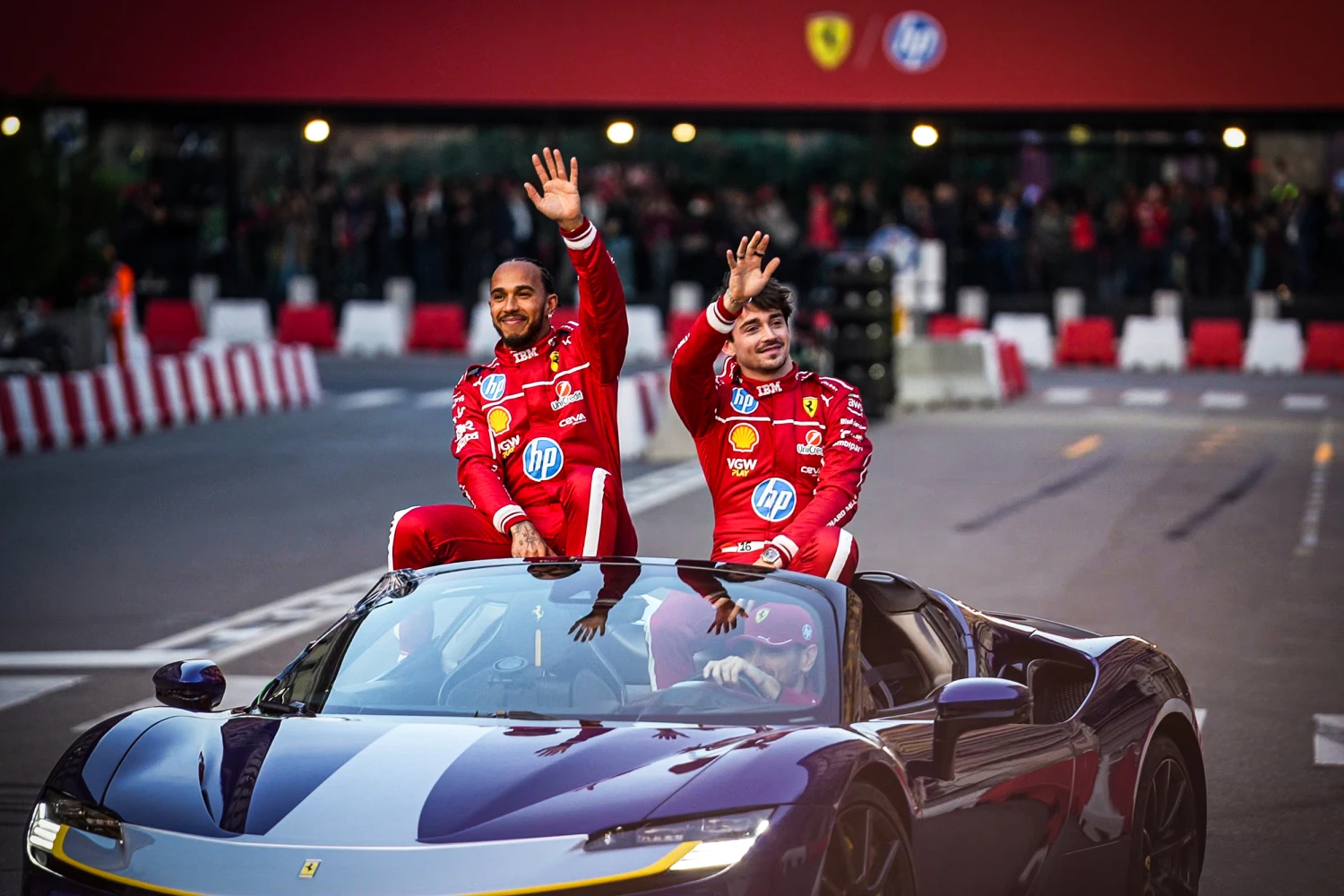
The announcement that lewis hamilton ferrari was becoming reality — that he would leave the Mercedes team that had delivered six of his seven championships to join Scuderia Ferrari — created the specific narrative electricity that Formula One had not experienced since comparable driver-constructor landmark announcements reshaped previous competitive eras.

The motivations that informed the decision reflect genuine complexity rather than simple competitive calculation. Ferrari’s historical mythology — the most storied constructor in Formula One history, the team whose championship success would complete every dimension of what Formula One’s legacy means — provides the specifically emotional dimension that purely rational competitive analysis would not have prioritized over remaining within the organizational environment that had delivered six championships.

The competitive calculation is equally genuine — the 2026 regulatory reset’s simultaneous changes to power unit and aerodynamic regulations create a competitive landscape whose specific uncertainty offers Hamilton a genuine chance of championship contention in Ferrari colors if the Maranello technical team produces a competitive package. A Mercedes continuation offered organizational comfort but no competitive guarantee superior to what Ferrari could provide in the new regulatory environment.

The pairing with Charles Leclerc creates the internal competitive dynamic that Ferrari must manage with sophistication — two drivers of genuine championship caliber sharing machinery within an organization whose history of internal driver politics is extensively documented. How Ferrari navigates the Leclerc-Hamilton relationship, whose competitive tensions are structurally inevitable, will determine whether the partnership delivers its potential or produces the internal dysfunction that ambitious driver pairings occasionally generate.

Hamilton F1 Legacy: Beyond the Numbers


Hamilton f1
legacy exists simultaneously in the statistical record that competitive performance has produced and in the broader cultural contribution that his public presence has made to conversations that sport rarely engages with honestly from within its commercial core.

The statistical record speaks with unusual clarity — 103 race victories, 104 pole positions, seven World Championships, and the all-time leads across virtually every significant Formula One performance metric. Numbers that create a specific GOAT argument whose competing cases — Michael Schumacher’s seven championships won across different eras, Ayrton Senna’s transcendent talent expressed across a shorter career, Juan Manuel Fangio’s championships as a proportion of races entered — reflect different frameworks for evaluating greatness rather than genuine uncertainty about whether Hamilton belongs within the conversation’s highest tier.

The cultural contribution extends beyond the competitive record into what Hamilton’s public advocacy on racial equality, diversity in motorsport, and the specific responsibility that elite sporting platform creates for its most commercially visible figures has meant for conversations the sport had historically avoided. His activism — the Taking the Knee gestures before races, the #WeRaceAsOne campaign whose organizational support from Formula One reflected his specific influence within the commercial ecosystem, and the sustained public engagement with social justice issues that his platform enables — has made him the sport’s most socially significant figure alongside its most competitively successful.

The Ferrari Challenge: What Success Requires

Hamilton’s championship ambitions at Ferrari depend on variables whose alignment the 2026 regulatory reset makes genuinely uncertain in ways that his Mercedes partnership’s organizational predictability never required him to navigate. Success requires the technical team producing a car whose competitive package matches Hamilton’s feedback quality and driving style — a combination whose specific compatibility the early development seasons will establish rather than the announcement confirming.

The specific qualities Hamilton brings to Ferrari’s technical development — his ability to describe car behavior in terms that engineers translate into setup improvements, accumulated across 18 seasons of F1 development partnerships whose institutional knowledge is the deepest in the contemporary paddock — provide organizational value whose expression in faster car development could compress the timeline between Ferrari’s competitive aspiration and championship reality.
Managing his own adaptation to Ferrari’s organizational culture, engineering language, and the specific working relationships that delivering consistent championship-level performance requires building from fresh foundations — presents the specific transition challenge that even seven-time world champions must navigate when changing organizational environments after extended periods within a single team’s specific culture.

What Remains to Be Written

The Ferrari chapter’s specific outcome — whether it delivers the eighth championship that would definitively settle Hamilton’s GOAT argument on the only terms that Formula One’s competitive framework ultimately recognizes, or concludes as a compelling narrative whose competitive results fell short of the aspirations that motivated the move — remains genuinely open in ways that historical analysis cannot predetermine.

What is certain is that Hamilton’s Ferrari years will be followed with the attention that the combination of the sport’s most decorated driver and its most storied constructor merits — that every race result will be interpreted within the framework of whether the partnership is delivering its potential, and that the specific performances Hamilton produces in Ferrari red will be understood as the final chapter of a career whose significance Formula One history will continue evaluating long after his final race.

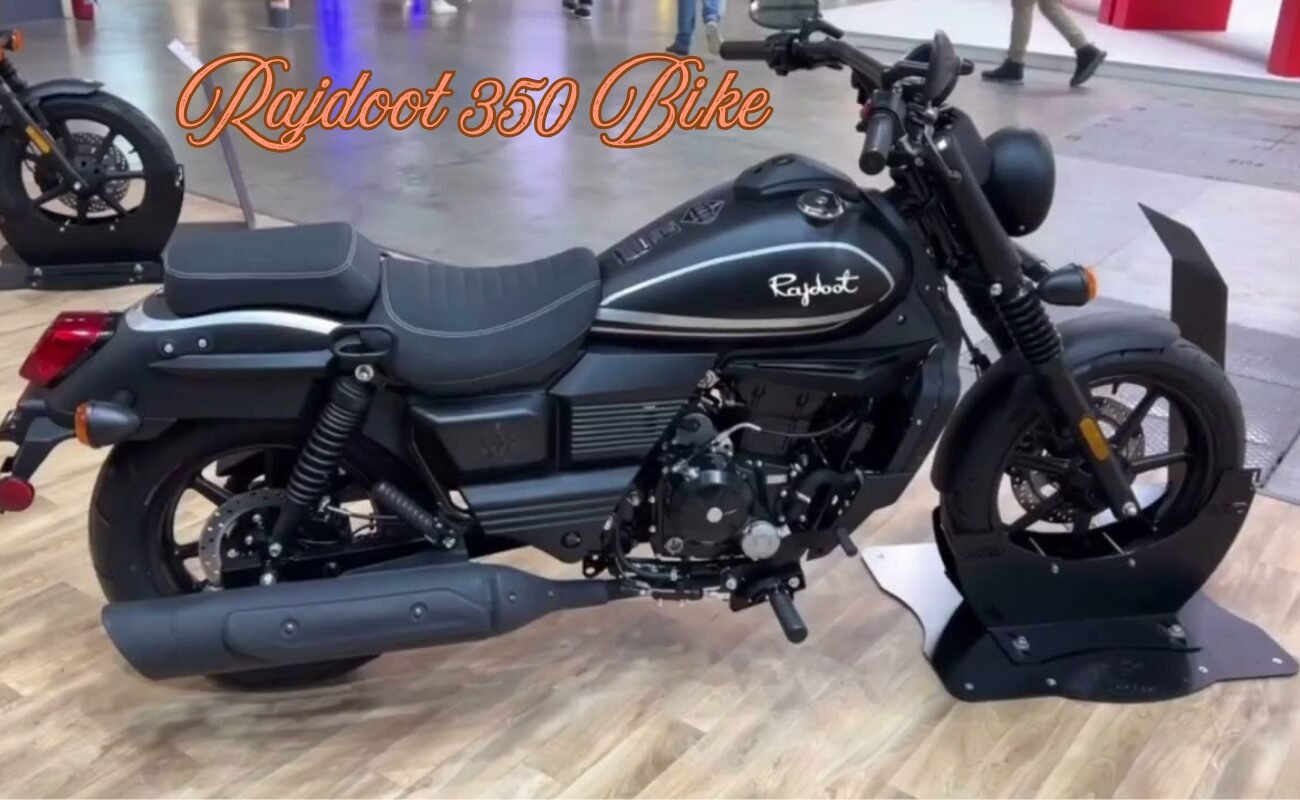
Rajdoot 350 Bike Price: What It Actually Costs Today (Used, Restored and the Rumored Relaunch)

Rajdoot 350 Bike Price: What It Actually Costs Today (Used, Restored and the Rumored Relaunch)

If you’ve searched for the Rajdoot 350 bike price, you’ve probably run into a mix of confusing answers — some sites quote lakhs, some quote thousands, and a few even claim it’s a brand-new launch. Here’s what’s actually going on, based on how things stand right now about this bike and it price are given below in this content in detail.

First, a Quick Reality Check

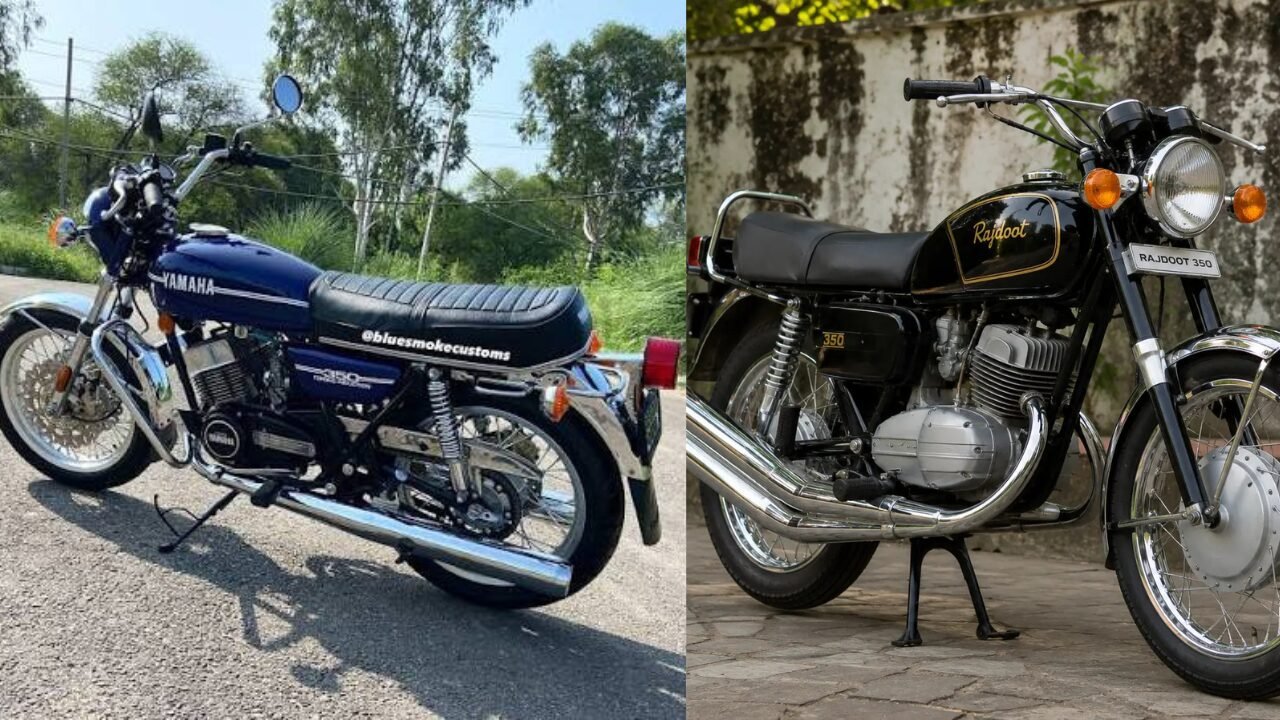
The Rajdoot 350, sold in India by Escorts Yamaha, was produced between 1983 and 1990. It’s not currently sold as a new motorcycle. Yamaha has not officially confirmed a modern relaunch, even though the “Rajdoot” name has reportedly been renewed as a trademark, which is part of why rumors keep circulating online. So if you’re seeing headlines about a “New Rajdoot 350” with a fixed price tag, treat that as speculation rather than confirmed information, since there’s no official announcement backing it up yet.

What the Original Rajdoot 350 Used to Cost

Back in its production days, the Rajdoot 350 (known globally as the Yamaha RD350) carried a price of roughly ₹12,000 to ₹13,000, which sounds tiny today, but was actually considered steep at the time. It ran on a 347cc, air-cooled, two-stroke parallel-twin engine with twin carburetors, putting out around 30 bhp in the HT (High Torque) version and a bit less in the LT version. It earned a reputation for being fast, loud, and a little dangerous, which is how it picked up nicknames among riders who loved (and feared) its power.

What It Costs Now, as a Used or Restored Bike

This is where most people’s actual interest lies. Since production stopped decades ago, any Rajdoot 350 on the market today is either a well-preserved original or a full restoration project. Prices vary a lot depending on condition:

What It Costs Now, as a Used or Restored Bike

  • Restored, well-maintained examples generally sell somewhere between ₹1.5 lakh and ₹4 lakh, depending on how original the parts are and how much work has gone into it.
  • Rougher, non-running units that need a full rebuild can sometimes be found for far less, but restoration costs can quickly add up because spare parts are hard to source, with some enthusiasts importing parts directly from Japan or the US.
  • A genuinely mint, well-documented bike can fetch prices close to what you’d pay for a decent used car, simply because of how rare and sought-after these machines have become among collectors.

If you’re hunting for one, joining RD owner communities (there are active groups in cities like Pune, Bangalore, and Delhi) is usually a smarter move than relying on random online listings, since parts and genuine bikes tend to move within these circles first.

What About the “New Rajdoot 350” Everyone’s Talking About?

There’s a lot of buzz about a possible modern revival, and it’s easy to see why — retro-styled motorcycles are having a moment in India, and a modern Rajdoot 350 would fit right into that trend. Some unofficial reports and speculative articles suggest a possible on-road price somewhere in the ₹2 lakh to ₹2.4 lakh range if it does eventually launch, positioning it alongside bikes like the Royal Enfield Classic 350. Other pages online float wildly different numbers, including implausibly low prices, which is a sign that a lot of this content is speculative filler rather than verified reporting.

The honest answer, as of now, is that there’s no confirmed launch date, no official specifications, and no verified price from Yamaha. If a revival does happen, expect it to come with a modern four-stroke engine to meet current emission norms, rather than the original two-stroke setup, since that engine type simply isn’t viable for a new motorcycle today.

So, What Should You Actually Expect to Pay?

Looking for an original, running Rajdoot 350? Budget somewhere between ₹1.5 lakh and ₹4 lakh, depending on condition, plus potential restoration costs.

Hoping to buy a brand-new Rajdoot 350? It doesn’t exist yet — anything claiming a fixed price for a new model right now is speculative, not official.

Just curious about its history? It originally sold for around ₹12,000–₹13,000, which made it one of the more expensive bikes of its era.

Final Word

The Rajdoot 350 has earned a kind of cult status that very few Indian motorcycles ever reach, and that’s exactly why pricing information around it gets messy — nostalgia, rumor, and genuine collector value all mix together. If you’re looking to actually buy one today, focus on the used and restored market rather than any “new launch” pricing you come across, since that side of the story is still unconfirmed.

Read More: The Motorcycle Adventures That Start Before You Turn the Key

The Motorcycle Adventures

The Motorcycle Adventures That Start Before You Turn the Key

For many riders, the perfect motorcycle adventure begins with the moment the engine starts and the road opens up ahead. But not every memorable journey starts in the saddle. Sometimes, the adventure begins days or even weeks earlier, with planning, logistics, and decisions about how to get a motorcycle safely to its next destination.

As motorcycle culture continues to grow, more riders are expanding their horizons. Cross-country rallies, scenic routes in distant states, track days, and international motorcycle tours have become increasingly popular. At the same time, people are relocating more frequently for work or lifestyle changes, and many motorcycle enthusiasts own bikes that are too valuable or specialized for long-distance rides. In all of these situations, getting the motorcycle to the right place can be just as important as the trip itself.

How Professional Motorcycle Transport Works

Professional motorcycle transport has become increasingly sophisticated over the years. Companies now offer solutions designed specifically for motorcycles, recognizing that these vehicles require different handling than standard cars.

For riders planning a move or preparing for a distant event, services such as https://www.a1autotransport.com/motorcycle-shipping/ provide options for transporting motorcycles across the United States and internationally. The company offers both open and enclosed motorcycle shipping, door-to-door delivery, and transportation solutions for a wide variety of motorcycles, from everyday commuter bikes to custom and collector models.

Having access to specialized transportation can make long-distance planning significantly easier. Instead of spending days on highways or worrying about additional mileage, riders can arrange for their motorcycle to meet them closer to where the adventure actually begins.

Why Riders Are Thinking Beyond Their Local Roads

The appeal of motorcycling has always been closely tied to freedom and exploration. Riders constantly seek new landscapes, better roads, and different experiences. Social media and online communities have also made it easier to discover riding destinations that may be hundreds or even thousands of miles away.

Many enthusiasts now plan motorcycle vacations around famous scenic routes, major rallies, or bucket-list destinations that would be difficult to reach during a limited holiday period. Others split their time between different regions and prefer to have their motorcycles available wherever they spend part of the year. As a result, more riders are considering alternatives to simply riding every mile themselves.

When Shipping Makes More Sense Than Riding

There is something romantic about a long road trip, but there are also situations where putting thousands of additional miles on a motorcycle simply does not make practical sense.
A rider relocating across the country may not have the time for a week-long journey. Someone attending a motorcycle event may want to arrive rested rather than exhausted from several days on the road. Owners of vintage, custom, or high-performance motorcycles may also prefer to avoid unnecessary wear and tear.

Weather is another important factor. Crossing several states can mean dealing with heavy rain, extreme heat, or unpredictable conditions that make long-distance riding less enjoyable and potentially less safe.

In these situations, transportation services have become a practical solution that allows riders to focus on the experience they want rather than the logistics of getting there.

Planning for Rallies and Major Events

Motorcycle gatherings and rallies often require far more preparation than people realize. Riders need to consider accommodation, equipment, schedules, and the condition of their motorcycles before departure.

Large events attract participants from all over the country, and many choose to transport their bikes instead of adding hundreds or thousands of miles before the event even begins. This approach can be especially appealing for riders who have limited vacation time and want to maximize the days they actually spend enjoying the destination. The same is true for track events and motorcycle tours. Arriving with a fresh motorcycle and a rested rider can significantly improve the overall experience.

Protecting a Motorcycle During Long-Distance Travel

Whether a bike is being shipped or ridden across the country, preparation matters. A motorcycle should always be inspected before transport, and any existing cosmetic issues should be documented.

Removing loose accessories, checking tire condition, and ensuring the battery is in good working order can help avoid unnecessary complications. Riders should also understand the transportation process, including delivery timelines and insurance coverage.

According to Cycle World, preparing a motorcycle properly before any long-distance trip or transport can reduce the likelihood of mechanical problems and make the riding experience far more enjoyable once the motorcycle reaches its destination. Preparation may not be the most exciting part of motorcycle ownership, but it often determines whether a trip begins smoothly or with avoidable problems.

The Value of Saving Time and Energy

One of the biggest advantages of motorcycle transport is that it allows riders to save both time and energy. Instead of spending several days covering long stretches of interstate highways, riders can focus on the roads they actually want to experience. They can reserve their energy for scenic routes, mountain passes, or organized rides rather than arriving tired and needing time to recover.

For many enthusiasts, this changes the way they think about motorcycle travel altogether. The destination becomes more accessible, and the experience can be tailored around enjoyment rather than endurance. This flexibility is particularly valuable for older riders, people with limited vacation time, and owners of motorcycles that are not intended for extensive highway use.

Every Great Ride Starts With Good Planning

Motorcycling has always been about freedom, but freedom often requires thoughtful preparation. The most memorable adventures rarely happen by accident. They are usually the result of careful decisions that allow riders to spend more time enjoying the experience and less time worrying about logistics.

As motorcycle culture continues to evolve, riders are finding new ways to reach destinations that once seemed too far away or too difficult to fit into a busy schedule. Transportation services have become one of the tools that make these experiences possible.

In the end, every great ride starts before the engine turns over. Sometimes it begins with a map, sometimes with a conversation, and sometimes with a plan to have the motorcycle waiting exactly where the next adventure begins.

Ruslan Abdullaevs Championship Journey Image

From National Success to International Recognition: Ruslan Abdullaev’s Championship Journey

Central Asian wrestling has produced champions whose names resonate well beyond regional competition — athletes whose technical mastery, competitive drive, and national representation have elevated their countries’ sporting profiles on the global stage. Ruslan Abdullaev represents exactly this profile within Uzbekistan’s growing sporting tradition — a wrestler whose journey from national development programs through continental competition to international recognition reflects both individual excellence and the systematic investment that uzbekistan sports has made in combat disciplines with deep cultural roots across the region. Fans following Uzbek sport and international wrestling competition can find dedicated coverage at dbbet.

Ruslan Abdullaev: The Wrestler Building an International Profile

Ruslan Abdullaev has developed his competitive wrestling career within the specific context of Uzbekistan’s combat sports ecosystem — one of the most productive environments for wrestling talent in Central Asia and increasingly recognized within World Wrestling’s global competitive structure as a genuine source of championship-caliber athletes. His progression through Uzbekistan’s national wrestling hierarchy — the domestic competition structure that identifies and develops the athletes who will represent the country at continental and world level — reflects the specific qualities that international wrestling demands: technical proficiency across the full range of competitive situations, physical conditioning that sustains performance across multiple matches in single-day tournament formats, and the competitive composure that high-stakes wrestling requires in moments where tactical decisions must be made under physical exhaustion and competitive pressure simultaneously.

Wrestling’s Deep Roots in Central Asian Culture

Understanding Abdullaev’s competitive context requires appreciating how completely wrestling is embedded within Central Asian cultural identity — a relationship that gives the sport a motivational foundation and grassroots participation depth that institutional investment alone cannot manufacture. Wrestling traditions across Uzbekistan, Kazakhstan, Kyrgyzstan, and Tajikistan predate formalized international competition by centuries — the specific forms of traditional wrestling practiced at festivals, community celebrations, and cultural events across the region represent living practices that modern competitive wrestling has grown alongside rather than replacing. Kurash — Uzbekistan’s indigenous wrestling form, recognized by the International Kurash Association and included in various international games programs — carries specific cultural significance as a sport whose origins are genuinely Uzbek rather than imported through competitive adoption. The cultural valorization of wrestling excellence that these traditions sustain creates the community environment where young wrestlers receive the social recognition that motivates the sustained training commitment elite performance requires.

Uzbekistan Wrestling Champion Pathway: From Domestic to International

The uzbekistan wrestling champion development pathway reflects a systematic approach to competitive preparation that the country’s sporting institutions have refined across decades of producing internationally competitive wrestlers. National championships — contested across the freestyle, Greco-Roman, and women’s wrestling disciplines that World Wrestling recognizes — identify the athletes whose domestic performances justify international investment. Selected wrestlers enter the national team program whose preparation combines technical coaching of high quality with the physical conditioning and competition exposure that bridging the gap between national and international standards requires. The specific challenge of developing wrestlers for international competition is the quality jump between domestic and international opposition — national champions who have been competitive against Uzbek peers must adapt their technical and tactical approaches to opponents whose different backgrounds produce genuinely unfamiliar competitive situations that domestic preparation cannot fully simulate.

The Uzbekistan Sports System: Building Champions Systematically

Uzbekistan sports investment across combat disciplines reflects a governmental understanding that wrestling, boxing, and judo carry specific cultural resonance and international recognition potential that justify sustained institutional support. The Ministry of Sports’ funding allocation to wrestling development programs — training facilities, coaching salaries, international competition exposure, and the sports science support that modern athletic preparation increasingly requires — has produced a wrestling ecosystem whose international competitive output validates the investment across multiple generations of champions. The specific infrastructure investments that have shaped Uzbek wrestling development include the Humo Arena and associated combat sports facilities in Tashkent that provide training environments whose quality creates conditions for development that previous generations of Uzbek wrestlers navigated without comparable support. The system’s continuity — maintaining development investment across political and economic cycles rather than treating sports spending as discretionary — reflects an institutional commitment that champion production requires across generational timescales rather than electoral cycles.

Asian Wrestling Championships: The Regional Proving Ground

Asian wrestling competition provides the regional proving ground where Uzbek wrestlers demonstrate the international competitive standard that World Championships and Olympic qualification require. The Asian Wrestling Championships — gathering the continent’s strongest wrestling nations including Iran, Japan, South Korea, Kazakhstan, and India alongside Uzbekistan — create a competitive field whose quality rivals any regional championship in any discipline globally. Asian wrestling’s specific competitive culture — the technical diversity that different national traditions bring to the same ruleset, the physical preparation standards that Asian nations competing at the front of the global sport maintain, and the specific tactical approaches that regional competition history has developed — makes continental championship success a genuine global competitive benchmark rather than merely regional recognition. Uzbek wrestlers who perform consistently at Asian Championship level demonstrate the competitive qualities that World

Championship preparation builds upon.

Technical Analysis: What Makes Elite Wrestling Excellence
Wrestling excellence at the international level reflects technical mastery across multiple competitive dimensions that casual observation reduces to physical strength. The takedown repertoire — the range of techniques for bringing an opponent from standing to the mat — requires the combination of explosive entry, leverage application, and grip management that years of technical drilling develop into automatic responses rather than consciously executed sequences. Defensive wrestling — the ability to prevent takedowns, escape from difficult positions, and reverse momentum from defensive situations — reflects equal technical sophistication to offensive capability. The scoring system that international wrestling employs — rewarding exposure of the opponent’s back toward the mat alongside takedowns and activity points — creates tactical complexity where strategic awareness of match situation interacts with technical capability to determine competitive approach across each two-minute period. Wrestlers who can make these tactical adjustments in real time while managing physical exhaustion and the specific pressure of individual championship competition demonstrate the complete competitive package that international success requires.

Uzbekistan’s Olympic Wrestling History and Future Ambitions

Uzbekistan’s Olympic wrestling record — building across the Games since independence — reflects a national sporting ambition that treats Olympic competition as the ultimate competitive validation rather than an aspirational horizon. The specific pathway from national program through World Championship competition to Olympic qualification creates a development timeline that the national federation manages with long-term planning rather than short-term result optimization — understanding that the four-year Olympic cycle requires organizational patience that annual championship focus occasionally compromises. Wrestlers who have represented Uzbekistan at Olympic level carry the experience of performing in the sport’s most pressure-concentrated environment — the knowledge that every match within the Olympic tournament has been preceded by years of development investment that the result will validate or leave unresolved. Building toward Olympic medal performances requires the systematic preparation that Uzbekistan’s wrestling infrastructure is increasingly capable of providing across multiple weight categories simultaneously.

The Role of Coaches in Uzbek Wrestling Development

Behind every Uzbek wrestling champion stands a coaching lineage whose technical knowledge and competitive experience has been transmitted across generations of the national program. The coaching staff that works with Uzbekistan’s national wrestling team carries institutional knowledge accumulated across decades of competitive experience — former champions who have transitioned into coaching roles bringing the specific understanding of competitive pressure that academic coaching education cannot replicate. The technical innovation that keeps Uzbek wrestling competitive against nations whose programs are also continuously developing requires coaches who are not merely transmitting established technique but actively developing competitive responses to the tactical evolutions that international wrestling’s ongoing development produces. The relationship between athlete and coach in elite wrestling — the trust required for an athlete to attempt technically complex movements in competitive situations where the margin for error has significant consequences — reflects a developmental partnership whose quality determines whether technical preparation translates into competitive performance.

What Abdullaev’s Journey Represents for Uzbek Sport

Ruslan Abdullaev’s competitive journey represents something beyond individual sporting achievement within Uzbekistan’s broader sporting narrative — a demonstration that the systematic investment in wrestling development is producing athletes capable of competing and winning at the international level that the country’s sporting ambitions have been targeting. Each Uzbek wrestler who achieves international recognition contributes to the national sporting identity that the government’s investment is partly designed to build — a visible expression of Uzbek competitive capability that carries cultural significance alongside the athletic achievement itself. For young Uzbek wrestlers watching Abdullaev compete at Asian Championships and international events, the specific message received is that their country’s wrestlers can compete and win against the world’s best — a motivational recalibration whose compounding effects on youth participation and training commitment will shape Uzbek wrestling’s competitive output across the next generation of athletes now working through the development system that produced him.

Arena Sport and the Rise of Sports in Bangladesh

Arena Sport and the Rise of Sports in Bangladesh

Bangladesh is in the middle of a sporting transformation that goes beyond cricket. Facilities are being built, new disciplines are gaining structured support, and a generation of athletes is emerging with access to coaching and competition that simply did not exist for their predecessors. At the center of this shift is how Bangladesh thinks about sporting spaces — not just individual venues, but integrated environments where multiple disciplines can develop simultaneously. Fans who want to follow the full breadth of Bangladeshi competitive sport, from cricket to football and beyond, will find comprehensive coverage and markets at Dbbet.

What Is Arena Sport and Why It Matters for Development

Arena sport refers broadly to competitive disciplines staged within enclosed, purpose-built venues — stadiums, indoor halls, and multi-sport complexes designed to host professional-level competition with spectator infrastructure attached. In a development context, arenas matter because they signal institutional commitment. A country that builds proper sporting venues is a country that expects its athletes to compete at a standard worth watching. For Bangladesh, the construction and renovation of arena-standard facilities across Dhaka and beyond has sent exactly that signal — to athletes, to sponsors, and to international federations considering whether to award tournament hosting rights to a nation still building its competitive reputation on multiple fronts simultaneously.

Sports in Bangladesh: The Full Picture Beyond Cricket

Sports in Bangladesh have always been richer than international coverage suggests. Cricket commands the headlines, but the national sporting calendar encompasses football, kabaddi, field hockey, athletics, swimming, chess, shooting, archery, and wrestling. Each discipline has a federation, a national championship structure, and athletes who train seriously despite receiving a fraction of the attention and resources directed toward cricket. The challenge has never been passion or raw talent — both exist in abundance across every sport and every district. The challenge has been building consistent institutional support: regular competition calendars, qualified coaches, functional facilities, and funding that survives changes in government priority and federation leadership without disappearing mid-cycle.

The Mirpur Complex: Bangladesh’s Flagship Sports Environment

The Shere Bangla National Stadium in Mirpur represents Bangladesh’s most developed arena sport environment. Originally built exclusively for cricket, the surrounding complex has expanded to include indoor facilities, practice pitches, and administrative infrastructure that supports multiple sports programs. The BCB’s investment in Mirpur has set a benchmark that other federations are now trying to match in their own disciplines. The complex hosts not just international cricket but BPL franchise matches, age-group tournaments, and coaching education programs that ripple outward into the broader development system. As a model for what integrated arena sport infrastructure looks like in a developing football and cricket nation, Mirpur demonstrates both what is possible and how long it takes to build something genuinely world-class from a standing start.

Football Arenas and the Push for Modern Venues

The Bangabandhu National Stadium in Dhaka has served as Bangladesh’s primary football venue for decades, but its condition has drawn criticism from visiting teams and AFC officials during qualification matches. Renovation discussions have run for years without full resolution, reflecting the governance complexity of managing a shared national asset across multiple federations and government ministries. More encouragingly, several district-level football venues have received meaningful infrastructure upgrades — improved pitch surfaces, floodlighting installations, and basic spectator facilities that allow evening fixtures to run professionally. The BFF’s longer-term vision includes a dedicated national football training center separate from match venues, which would give the national team a consistent preparation environment rather than relying on facilities shared with club sides and other sports.

Indoor Sports and the Arena Infrastructure Gap

Bangladesh’s indoor sports scene — boxing, wrestling, badminton, table tennis, and gymnastics — operates largely in facilities that fall well short of international competition standards. The national indoor stadium in Dhaka hosts major events but requires ongoing maintenance investment to meet modern federation requirements. Badminton has seen grassroots participation surge in recent years, particularly among younger urban players, but the jump from recreational play to competitive training is hampered by a shortage of quality indoor courts with proper lighting and surface standards. Wrestling and boxing produce athletes who compete at Commonwealth and Asian Games level through sheer determination rather than facility advantage. Closing the indoor sports infrastructure gap would unlock competitive potential that currently goes unrealized for want of a proper training environment.

Sports of Bangladesh: Traditional Games Alongside Modern Competition

The sports of Bangladesh include disciplines that predate organized international competition entirely. Kabaddi, boli khela — traditional wrestling practiced particularly in Chittagong — and nouka baich, the boat racing tradition that draws enormous crowds in rural districts during festival seasons, are as authentically Bangladeshi as any international sport the country competes in. These traditional disciplines carry deep cultural significance and command passionate local followings that stadium-based arena sport often struggles to replicate. The challenge for sports administrators is finding ways to provide traditional games with structured competition frameworks and development support without stripping them of the community character that makes them meaningful. Several cultural sports federations are attempting exactly this balance with varying degrees of institutional success.

Sponsorship and the Commercial Engine Behind Arena Development

No arena gets built without money, and in Bangladesh the commercial sports sponsorship landscape is maturing faster than most observers anticipated a decade ago. Telecommunications giants, banking groups, energy drink brands, and garment industry conglomerates have all increased their sports sponsorship activity as cricket’s commercial success demonstrated the brand value available to companies willing to invest in visible sporting association. The BPL model — where franchise cricket generated broadcast revenue, attracted sponsors, and funded wider BCB programs — has provided a template that football and other sports federations are studying carefully. The question is whether disciplines outside cricket can build sufficient viewership and commercial infrastructure to attract the private investment that transforms adequate facilities into genuinely world-class ones.

The Role of Schools and Universities in Building Sporting Culture

Arena sport at the elite level is only as strong as the participation culture feeding into it from below, and Bangladesh’s school and university sports programs are a critical part of that pipeline. Inter-school competitions in cricket, football, and athletics run across districts and divisions, giving talented young athletes their first experience of structured competitive sport. University games — organized through the University Grants Commission — provide a competitive tier between school sport and professional leagues that keeps athletes developing through their late teens and early twenties. The quality and consistency of these programs varies considerably by institution and geography, with Dhaka-based schools and universities maintaining significantly stronger programs than rural equivalents. Narrowing that geographic gap in educational sport infrastructure would have measurable downstream effects on national team talent depth across every discipline.

International Tournaments and What Hosting Rights Deliver

Bangladesh has hosted international cricket consistently and successfully for years, but the country’s experience hosting multi-sport events and international competitions in other disciplines remains limited. Bidding for and winning hosting rights to regional tournaments — SAFF football championships, South Asian Games events, Asian age-group competitions — delivers benefits that extend well beyond the tournament itself. Host nations typically invest in facility upgrades to meet federation requirements, creating permanent infrastructure improvements that outlast the event. Hosting builds organizational capacity within federations, develops local officials and volunteers, and generates broadcast exposure that raises the profile of disciplines often invisible to mainstream media. Bangladesh’s growing administrative confidence in cricket event management positions it well to pursue hosting opportunities in other sports if the political and commercial will exists to make the necessary facility investments in advance.

What the Next Generation of Bangladeshi Athletes Needs

Talent is not Bangladesh’s problem. Walk into any district-level cricket academy, watch a school football tournament in Chittagong, or observe a kabaddi training session in Rajshahi, and the raw material is obvious. What the next generation of Bangladeshi athletes needs is a support system that meets their talent with appropriate structure — qualified coaches at every level, competition calendars that provide enough matches to develop without burning out young bodies, financial support that removes the economic pressure to abandon sport for employment in the late teenage years, and arena-standard facilities within reasonable geographic reach of where athletes actually live and train. None of these things are impossibly expensive or organizationally complex in isolation. The challenge is building all of them simultaneously, consistently, and with enough institutional continuity to outlast changes in administration and political priority.