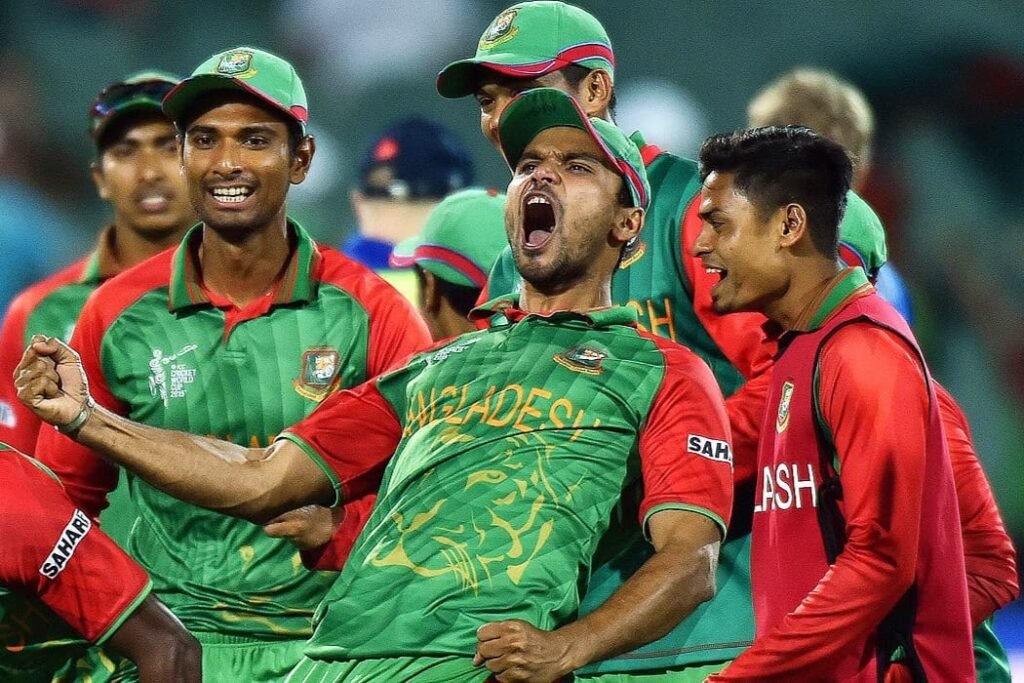
Bangladesh is in the middle of a sporting transformation that goes beyond cricket. Facilities are being built, new disciplines are gaining structured support, and a generation of athletes is emerging with access to coaching and competition that simply did not exist for their predecessors. At the center of this shift is how Bangladesh thinks about sporting spaces — not just individual venues, but integrated environments where multiple disciplines can develop simultaneously. Fans who want to follow the full breadth of Bangladeshi competitive sport, from cricket to football and beyond, will find comprehensive coverage and markets at Dbbet.
What Is Arena Sport and Why It Matters for Development
Arena sport refers broadly to competitive disciplines staged within enclosed, purpose-built venues — stadiums, indoor halls, and multi-sport complexes designed to host professional-level competition with spectator infrastructure attached. In a development context, arenas matter because they signal institutional commitment. A country that builds proper sporting venues is a country that expects its athletes to compete at a standard worth watching. For Bangladesh, the construction and renovation of arena-standard facilities across Dhaka and beyond has sent exactly that signal — to athletes, to sponsors, and to international federations considering whether to award tournament hosting rights to a nation still building its competitive reputation on multiple fronts simultaneously.
Sports in Bangladesh: The Full Picture Beyond Cricket
Sports in Bangladesh have always been richer than international coverage suggests. Cricket commands the headlines, but the national sporting calendar encompasses football, kabaddi, field hockey, athletics, swimming, chess, shooting, archery, and wrestling. Each discipline has a federation, a national championship structure, and athletes who train seriously despite receiving a fraction of the attention and resources directed toward cricket. The challenge has never been passion or raw talent — both exist in abundance across every sport and every district. The challenge has been building consistent institutional support: regular competition calendars, qualified coaches, functional facilities, and funding that survives changes in government priority and federation leadership without disappearing mid-cycle.
The Mirpur Complex: Bangladesh’s Flagship Sports Environment
The Shere Bangla National Stadium in Mirpur represents Bangladesh’s most developed arena sport environment. Originally built exclusively for cricket, the surrounding complex has expanded to include indoor facilities, practice pitches, and administrative infrastructure that supports multiple sports programs. The BCB’s investment in Mirpur has set a benchmark that other federations are now trying to match in their own disciplines. The complex hosts not just international cricket but BPL franchise matches, age-group tournaments, and coaching education programs that ripple outward into the broader development system. As a model for what integrated arena sport infrastructure looks like in a developing football and cricket nation, Mirpur demonstrates both what is possible and how long it takes to build something genuinely world-class from a standing start.
Football Arenas and the Push for Modern Venues
The Bangabandhu National Stadium in Dhaka has served as Bangladesh’s primary football venue for decades, but its condition has drawn criticism from visiting teams and AFC officials during qualification matches. Renovation discussions have run for years without full resolution, reflecting the governance complexity of managing a shared national asset across multiple federations and government ministries. More encouragingly, several district-level football venues have received meaningful infrastructure upgrades — improved pitch surfaces, floodlighting installations, and basic spectator facilities that allow evening fixtures to run professionally. The BFF’s longer-term vision includes a dedicated national football training center separate from match venues, which would give the national team a consistent preparation environment rather than relying on facilities shared with club sides and other sports.
Indoor Sports and the Arena Infrastructure Gap
Bangladesh’s indoor sports scene — boxing, wrestling, badminton, table tennis, and gymnastics — operates largely in facilities that fall well short of international competition standards. The national indoor stadium in Dhaka hosts major events but requires ongoing maintenance investment to meet modern federation requirements. Badminton has seen grassroots participation surge in recent years, particularly among younger urban players, but the jump from recreational play to competitive training is hampered by a shortage of quality indoor courts with proper lighting and surface standards. Wrestling and boxing produce athletes who compete at Commonwealth and Asian Games level through sheer determination rather than facility advantage. Closing the indoor sports infrastructure gap would unlock competitive potential that currently goes unrealized for want of a proper training environment.
Sports of Bangladesh: Traditional Games Alongside Modern Competition
The sports of Bangladesh include disciplines that predate organized international competition entirely. Kabaddi, boli khela — traditional wrestling practiced particularly in Chittagong — and nouka baich, the boat racing tradition that draws enormous crowds in rural districts during festival seasons, are as authentically Bangladeshi as any international sport the country competes in. These traditional disciplines carry deep cultural significance and command passionate local followings that stadium-based arena sport often struggles to replicate. The challenge for sports administrators is finding ways to provide traditional games with structured competition frameworks and development support without stripping them of the community character that makes them meaningful. Several cultural sports federations are attempting exactly this balance with varying degrees of institutional success.
Sponsorship and the Commercial Engine Behind Arena Development
No arena gets built without money, and in Bangladesh the commercial sports sponsorship landscape is maturing faster than most observers anticipated a decade ago. Telecommunications giants, banking groups, energy drink brands, and garment industry conglomerates have all increased their sports sponsorship activity as cricket’s commercial success demonstrated the brand value available to companies willing to invest in visible sporting association. The BPL model — where franchise cricket generated broadcast revenue, attracted sponsors, and funded wider BCB programs — has provided a template that football and other sports federations are studying carefully. The question is whether disciplines outside cricket can build sufficient viewership and commercial infrastructure to attract the private investment that transforms adequate facilities into genuinely world-class ones.
The Role of Schools and Universities in Building Sporting Culture
Arena sport at the elite level is only as strong as the participation culture feeding into it from below, and Bangladesh’s school and university sports programs are a critical part of that pipeline. Inter-school competitions in cricket, football, and athletics run across districts and divisions, giving talented young athletes their first experience of structured competitive sport. University games — organized through the University Grants Commission — provide a competitive tier between school sport and professional leagues that keeps athletes developing through their late teens and early twenties. The quality and consistency of these programs varies considerably by institution and geography, with Dhaka-based schools and universities maintaining significantly stronger programs than rural equivalents. Narrowing that geographic gap in educational sport infrastructure would have measurable downstream effects on national team talent depth across every discipline.
International Tournaments and What Hosting Rights Deliver
Bangladesh has hosted international cricket consistently and successfully for years, but the country’s experience hosting multi-sport events and international competitions in other disciplines remains limited. Bidding for and winning hosting rights to regional tournaments — SAFF football championships, South Asian Games events, Asian age-group competitions — delivers benefits that extend well beyond the tournament itself. Host nations typically invest in facility upgrades to meet federation requirements, creating permanent infrastructure improvements that outlast the event. Hosting builds organizational capacity within federations, develops local officials and volunteers, and generates broadcast exposure that raises the profile of disciplines often invisible to mainstream media. Bangladesh’s growing administrative confidence in cricket event management positions it well to pursue hosting opportunities in other sports if the political and commercial will exists to make the necessary facility investments in advance.
What the Next Generation of Bangladeshi Athletes Needs
Talent is not Bangladesh’s problem. Walk into any district-level cricket academy, watch a school football tournament in Chittagong, or observe a kabaddi training session in Rajshahi, and the raw material is obvious. What the next generation of Bangladeshi athletes needs is a support system that meets their talent with appropriate structure — qualified coaches at every level, competition calendars that provide enough matches to develop without burning out young bodies, financial support that removes the economic pressure to abandon sport for employment in the late teenage years, and arena-standard facilities within reasonable geographic reach of where athletes actually live and train. None of these things are impossibly expensive or organizationally complex in isolation. The challenge is building all of them simultaneously, consistently, and with enough institutional continuity to outlast changes in administration and political priority.