Competitive gaming rarely produces the kind of direct inspiration loop that Valorant has built between its professional scene and its ranked playerbase. Watching a professional player execute a perfect site retake or clutch a one-versus-three situation does not just entertain — it teaches. The tactical depth of valorant esports makes professional matches a genuine learning resource for anyone trying to improve their own game. Players who follow the competitive scene closely and apply what they observe climb faster than those who grind ranked in isolation. Fans looking to follow Valorant tournament action with dedicated esports markets can find comprehensive coverage at dbbet uz.
What Valorant Esports Has Built
Valorant esports operates through Riot Games’ international league structure — VCT Americas, VCT EMEA, and VCT Pacific — feeding into Masters events and the annual Champions tournament that crowns the world’s best team. The system was built with deliberate intent: create stable organizations, competitive regional leagues, and a global championship that functions as the sport’s centrepiece moment. The result is a professional ecosystem where teams like Sentinels, NRG, Fnatic, Team Liquid, Paper Rex, and LOUD have built genuine fanbases with identities that extend well beyond individual player rosters. The league structure provides regular high-quality content that keeps the competitive community engaged year-round rather than clustering interest around a handful of annual events.
Valorant Champions: The Tournament That Defines Careers
Valorant Champions is the game’s World Championship — the annual tournament where every regional qualification pathway converges into a single bracket that determines the best team on the planet. Unlike shorter Masters events, Champions carries a weight that players and fans feel differently. Teams that perform poorly across a full year can redeem entire seasons with a deep Champions run. Teams that dominate regionally face the pressure of translating domestic success onto a global stage against opponents who have studied their playstyles for months. The atmosphere at Champions events — played in front of massive live audiences in cities including Istanbul, Los Angeles, and Seoul across recent editions — generates the kind of broadcast moments that clip across social media and introduce new viewers to competitive Valorant constantly.
How Watching Professionals Improves Ranked Play
The gap between professional Valorant and high-ranked solo queue is significant but navigable for players who watch with analytical intent. Professional players telegraph decision-making through their movement, utility usage, and communication patterns that observant viewers can internalize and apply. Watching how a professional Controller player manages smokes across multiple rounds teaches map control principles more efficiently than hours of trial and error in ranked. Studying how top Duelists take space without overextending demonstrates aggression management that translates directly to games at every rank. The key is watching actively — asking why decisions are made rather than simply admiring the mechanical execution. Riot’s broadcast production supports this with analyst desks, replay segments, and tactical breakdowns that make professional Valorant genuinely educational.
Valorant Ranks: Understanding the Competitive Ladder
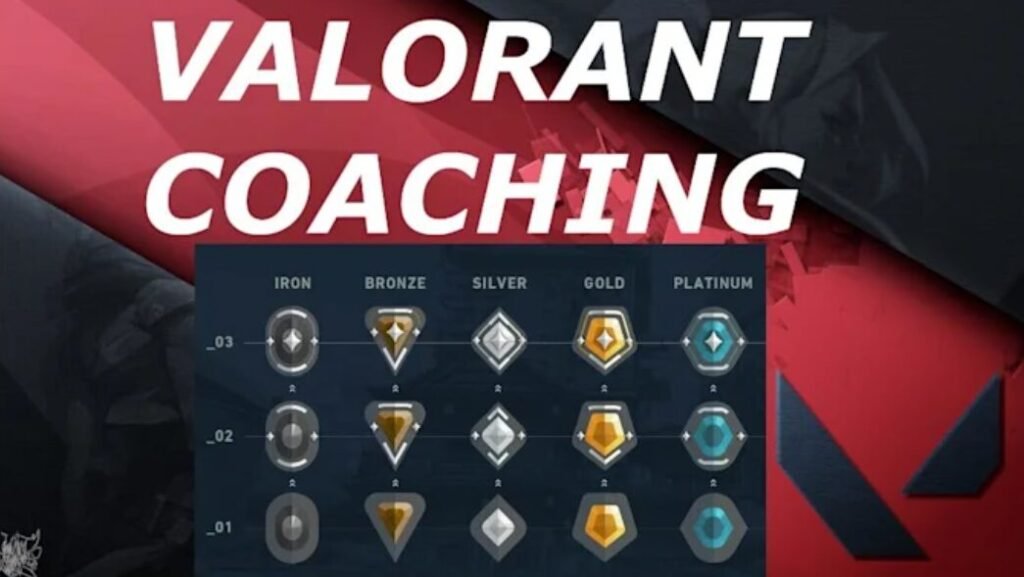
Valorant ranks progress from Iron through Bronze, Silver, Gold, Platinum, Diamond, Ascendant, and Immortal before reaching Radiant — the top tier occupied by the game’s best players globally. Each rank beyond Iron and Bronze represents a meaningful skill threshold that requires specific improvements to cross. Iron and Bronze players typically struggle with fundamental mechanics — crosshair placement, movement while shooting, and basic utility usage. Silver and Gold require understanding of basic site execution and map control. Platinum through Diamond demand consistent game sense, proper economy management, and coordinated team play. Ascendant and Immortal separate players who understand the game deeply from those still playing on instinct. Radiant represents the top fraction of the playerbase — the level where professional scouting begins.
The Agents That Define Professional Meta
Professional Valorant’s agent meta filters directly into ranked play as players attempt to replicate strategies they observe at Champions and Masters events. Controller agents that dominate professional compositions become the most contested picks in high-ranked lobbies. Sentinel placements that professional players use to anchor sites get copied into ranked games where communication is limited and individual execution determines how effective the strategy actually becomes. The interesting dynamic is that professional meta does not always translate cleanly to solo queue — compositions that require five-person coordination to execute properly can underperform in ranked environments where teammates may not understand their role within the structure. The best ranked players learn to extract principles from professional play rather than copying compositions wholesale.
Mechanical Skills That Separate the Ranks
Raw mechanical ability — aiming, movement, and reflexes — determines rank more directly in Valorant than in slower-paced tactical shooters. The game’s combination of precise gunplay mechanics with character abilities creates a dual skill requirement: players must maintain high aiming standards while simultaneously managing ability timing, cooldowns, and positioning. Professional players demonstrate mechanical ceilings that inspire ranked players to invest in aim training routines, crosshair placement drills, and deathmatch practice that builds the muscle memory required for consistency under pressure. The players who climb fastest are typically those who combine mechanical improvement with tactical learning simultaneously rather than prioritizing one entirely over the other — mechanics without game sense produces fragging players who lose games, while game sense without mechanics produces players who understand what to do but cannot execute.
Mental Fortitude: What Champions Teach About Ranked Mindset
One of professional Valorant’s most transferable lessons is how elite players manage the mental demands of competitive play. Champions-level teams demonstrate consistent composure after losing rounds, tactical adaptation when initial strategies fail, and the ability to reset between matches without carrying frustration from previous results. Ranked players who develop similar mental frameworks climb more consistently than mechanically superior players who tilt after adverse runs. The variance inherent in ranked matchmaking — unpredictable teammates, one-sided lobby skill distributions, occasional technical issues — requires the kind of equanimity that watching professional players model under genuine championship pressure can genuinely teach. Adopting a process-focused rather than outcome-focused approach to ranked sessions is a mindset shift that separates serious improvers from players who plateau indefinitely.
The Content Ecosystem Around Valorant Esports
Professional Valorant’s influence on the ranked playerbase extends beyond tournament broadcasts into a content ecosystem that delivers competitive insight at every level. Team content channels, player streams, and analyst accounts on social platforms collectively translate professional-level thinking into formats accessible to players at any rank. When a Valorant Champions finalist streams ranked play, their decision-making narration provides tactical education that structured coaching programs charge for. Community tier lists, patch analysis content, and map-specific guides produced by players with professional or near-professional experience democratize knowledge that previously required expensive personal coaching access. The content layer around Valorant esports has become as valuable a development tool as the competitive broadcasts themselves for players with genuine ambition to improve.
From Ranked Grind to Professional Ambition
Valorant’s ranked system functions as the primary scouting ground for professional organizations, and the pathway from high-ranked solo queue to professional contract is more navigable than in most esports titles. Radiant-level players attract attention from team scouts who monitor leaderboards consistently. VCT Game Changers has created a parallel professional pathway for female players that has produced several players now competing at international levels. Regional VCT Challengers leagues provide semi-professional competition structures where high-ranked players can test their abilities in organized team environments before pursuing main event opportunities. The professional scene’s relative youth means that talented ranked players who dedicate seriously to improvement still have genuine opportunities to transition — a fact that gives the ranked grind a motivational weight that games with more closed professional ecosystems cannot provide.