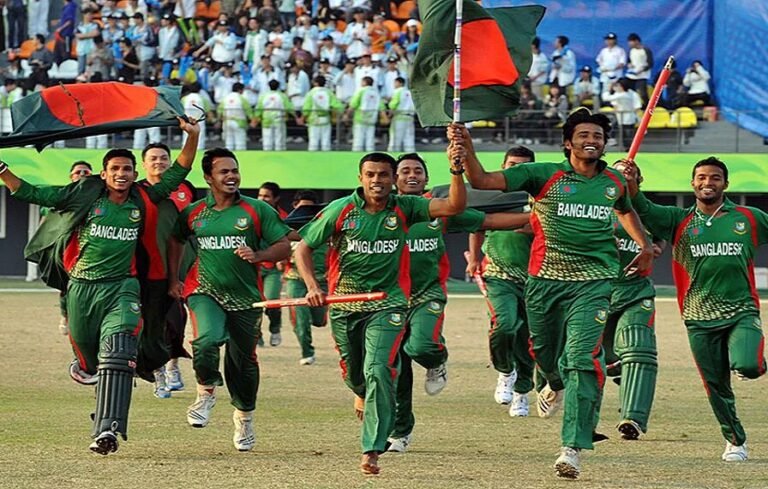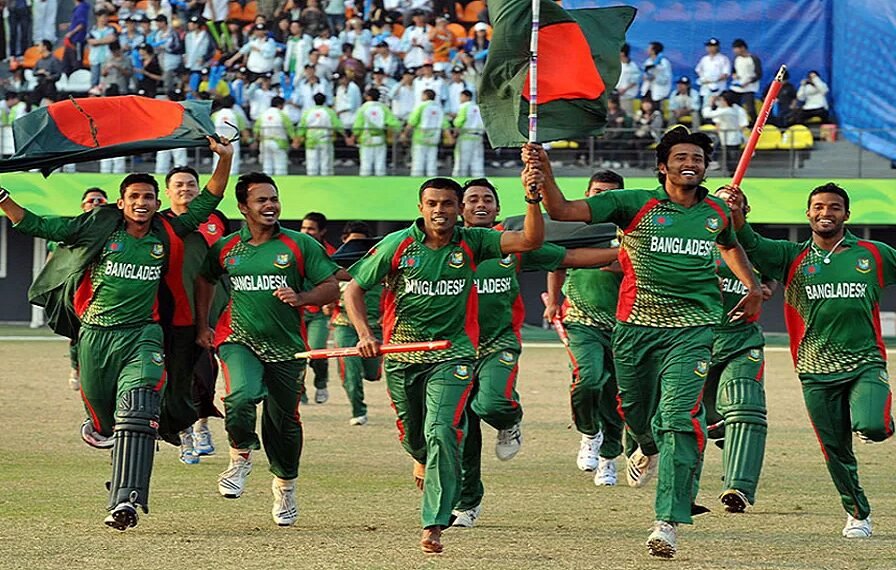
The Asian Games represent the continent’s grandest multi-sport celebration. For Bangladesh, participation in this quadrennial event carries weight that extends far beyond medal tallies. Every athlete stepping onto the field under the green and red flag carries a nation’s sporting ambitions, cultural pride, and collective hope for recognition on Asia’s biggest stage.
db bet follows Bangladesh’s Asian Games journey with genuine investment. As the country’s sporting ecosystem develops across multiple disciplines, the Asian Games provides the most comprehensive benchmark available — a moment where progress across shooting, athletics, archery, kabaddi, and emerging sports becomes visible against the continent’s best competition simultaneously. The results tell an honest story about where Bangladesh stands and where it’s genuinely heading.
The Beginning: Bangladesh Enters the Stage
Bangladesh made its Asian Games debut in 1978 in Bangkok — just seven years after independence. For a young nation still building foundational institutions across every sector, sending athletes to compete at continental level represented a statement of sovereign ambition as much as sporting aspiration.
Early participation was modest in scale and results. The squad sizes were small, the preparation infrastructure was limited, and the competitive gap between Bangladesh and established Asian sporting powers was significant. But the act of participation itself mattered enormously — planting seeds of athletic culture that subsequent generations would eventually cultivate into genuine competitive capability.
Those early delegations carried something beyond medals. They carried proof that Bangladesh belonged in the conversation.
Building Slowly: The Middle Decades
Progress through the 1980s and 1990s followed the broader trajectory of Bangladeshi sports development — incremental, uneven, but genuinely forward-moving. Athletes in disciplines like shooting, wrestling, and kabaddi showed flashes of competitive quality that suggested real potential existed beneath the surface of limited results.
The asian games bangladesh relationship during this period was defined more by exposure than achievement. Athletes returned from Hiroshima, Bangkok, and Busan with experiences that shaped coaching philosophies and training methodologies for years afterward. International competitive exposure, even without podium finishes, builds something invisible but essential — the understanding of what elite preparation actually requires.
Infrastructure investment slowly followed athletic ambition. Each Games cycle pushed administrators to think more seriously about what Bangladesh’s athletes actually needed.
Kabaddi: Where Bangladesh Competes 💪
If one discipline defines Bangladesh’s Asian Games competitive identity, it’s kabaddi. The national game resonates culturally in ways that translate directly into competitive depth — a talent pipeline fed by thousands of village-level competitions producing athletes with genuine international capability.
Bangladesh has consistently challenged Asia’s kabaddi powers, finishing in medal contention across multiple Games editions. Competing against India and Iran — nations with sophisticated kabaddi programs and enormous resource advantages — Bangladesh’s teams have repeatedly demonstrated that technical preparation and collective spirit can partially compensate for resource gaps.
These performances matter beyond the sport itself. Kabaddi medals at the asian games bangladesh level validate an entire developmental approach — proving that strategic focus on culturally embedded disciplines can deliver results that resource-heavy broad-spectrum programs sometimes cannot.
Cricket’s Absence and Its Meaning
Cricket dominates Bangladeshi sporting culture completely. Yet the Asian Games cricket tournament, when included, operates under formats that don’t always showcase Bangladesh’s strongest competitive position. The relationship between bangladesh asian games cricket participation and the country’s genuine cricketing capabilities creates an interesting disconnect.
When cricket appears in the Games program, it typically features shorter formats or age-restricted competitions. Bangladesh’s investment in full-format international cricket means developmental resources flow toward ICC calendar preparation rather than Asian Games-specific cricket programs.
This dynamic illustrates a broader challenge facing Bangladesh’s multi-sport Asian Games strategy — balancing investment across disciplines when one sport commands the overwhelming majority of national sporting attention, funding, and institutional capacity.
The India Rivalry: Lessons from bd vs ind Asian Games
No fixture carries more emotional weight for Bangladeshi sports fans than contests against India. The bd vs ind asian games encounters across multiple disciplines generate intensity that reflects the deep historical, cultural, and geographical relationship between the two nations.
In kabaddi, wrestling, and athletics, india vs bangladesh asian games matchups have produced memorable competitive moments. Bangladesh has claimed victories against Indian sides in kabaddi competitions — results celebrated with an enthusiasm that reflects exactly how much these contests mean beyond sport.
These rivalries serve a developmental function beyond national pride. Competing regularly against India’s depth of talent and resources forces Bangladesh’s programs to evolve — adopting more sophisticated preparation methods, analyzing competitive data more carefully, and building the mental resilience that close, high-stakes competition uniquely develops.
Archery: The Quiet Medal Prospect 🏹
While kabaddi generates the most visible Asian Games excitement, archery has quietly developed into Bangladesh’s most promising medal pathway across multiple disciplines simultaneously.
Ruman Shana’s international breakthrough proved that Bangladeshi archers can compete at the highest global levels. The Asian Games archery program — featuring recurve, compound, and team events — offers multiple podium opportunities for a national program that has invested seriously in Korean coaching expertise and world-class equipment.
Training centers in Dhaka and Rangamati are developing junior archers with genuine Asian Games potential within realistic timelines. The systematic approach being applied to archery development — structured talent identification, international exposure, and long-term coaching continuity — represents exactly the model that produces results at continental championship level.
Athletics: Chasing Continental Standards
Track and field at the Asian Games exposes Bangladesh to the full depth of continental athletic talent. Japan, China, Bahrain, and India field athletes competing at near-world-championship standards across sprint, distance, and field events.
For Bangladesh’s athletics program, Asian Games participation provides invaluable calibration. Performances against continental standards reveal precisely where preparation gaps exist — in explosive speed development, technical field event coaching, or the physiological foundations that separate good regional athletes from genuine Asian-level competitors.
Imranur Rahman’s South Asian Games success established a benchmark. Converting that regional standard into Asian Games competitiveness represents the next developmental challenge — one that Bangladesh’s athletics administrators are approaching with increasing sophistication and genuine ambition.
What Future Games Could Deliver 🌟
Bangladesh’s Asian Games trajectory points toward genuine improvement across multiple disciplines simultaneously. The convergence of better infrastructure, more sophisticated coaching, increased government funding, and a generation of athletes with serious international experience creates conditions for breakthrough performances.
Realistic medal prospects in the coming Games cycles exist across kabaddi, archery, and potentially shooting — disciplines where Bangladesh’s investment levels match competitive ambitions most closely. Athletics and swimming represent longer development timelines but genuine aspirational targets.
The broader goal extends beyond individual medals. Bangladesh aims to present a diversified, professionally prepared delegation that competes seriously across enough disciplines to establish the country as a genuine multi-sport nation — not simply a cricket power that sends token representation to continental competition.
The Measurement That Matters Most
Asian Games participation provides Bangladesh with something more valuable than medals alone — honest assessment. Every four years, the continent’s sporting hierarchy becomes visible in direct competition. Gaps are exposed. Strengths are confirmed. Developmental priorities become clearer.
For a nation building sports culture with genuine long-term ambition, that honest measurement is invaluable. Bangladesh knows where it stands, understands what closing the gap requires, and has demonstrated the institutional commitment to pursue improvement systematically rather than sporadically.
The Asian Games story for Bangladesh is still being written. The chapters ahead promise to be considerably more competitive than those that came before.