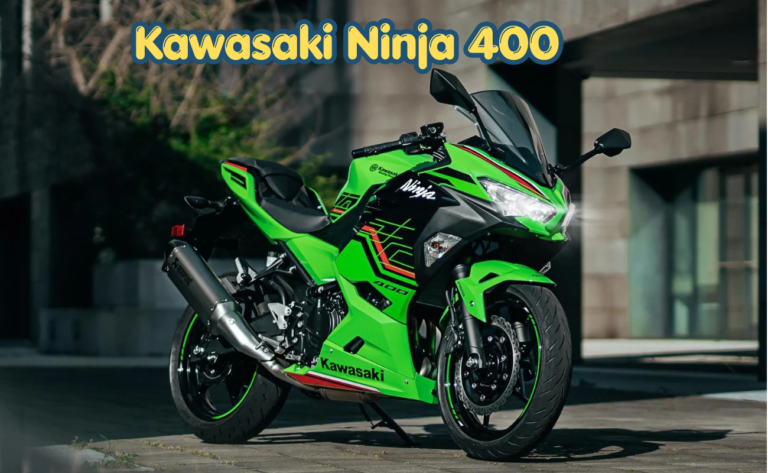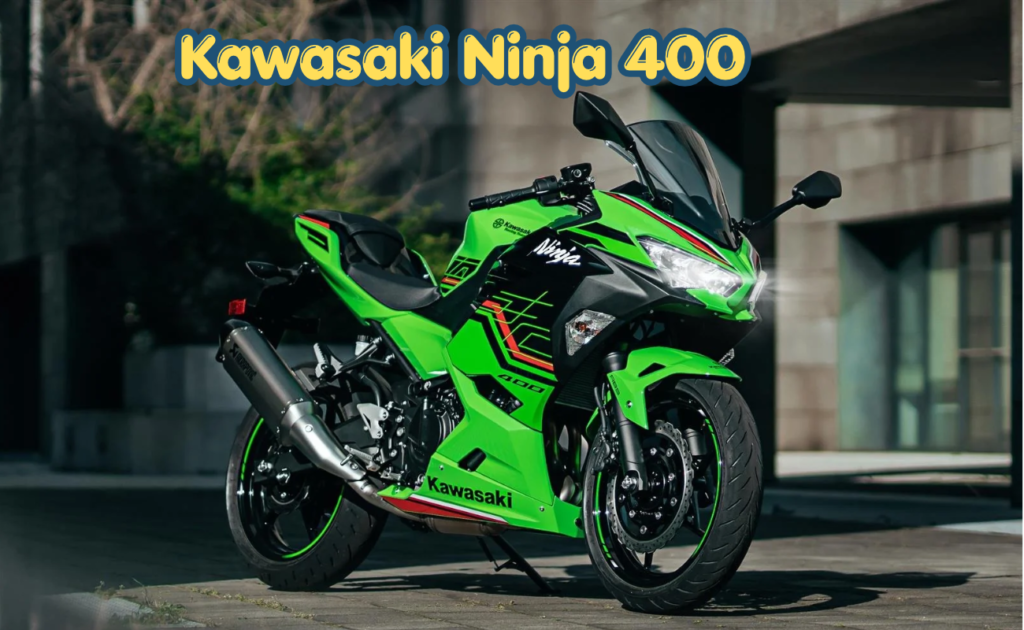
The Kawasaki Ninja 400 is a faired sportbike located between easy-to-ride 300cc bikes and the overweight litre class bikes. It offers a more exciting ride, more agile handling and a 399cc parallel twin without sacrificing ease of life.
Here are its design, engine, brake, comfort, handling, specifications and price in this review. If you are looking to upgrade from a smaller bike, or if you are getting your first performance bike, this is what you’ll want to consider in deciding whether it should be in your garage.
Specifications and Price
| Spec | Detail |
| Engine | 399cc, parallel-twin |
| Power / Torque | 48 bhp @ 10,000 rpm / 3.9 kgm @ 8,000 rpm |
| Gearbox | 6-speed |
| Brakes (F/R) | 310 mm / 220 mm disc |
| Tyres (F/R) | 110/70 R17 / 150/60 R17 |
| Wheelbase | 1,370 mm |
| Ground clearance | 140 mm |
| Seat height | 785 mm |
| Kerb weight | 173 kg |
| Fuel tank | 14 litres |
| Price | Rs 4.99 lakh ex-showroom (2022) |
Design and Styling
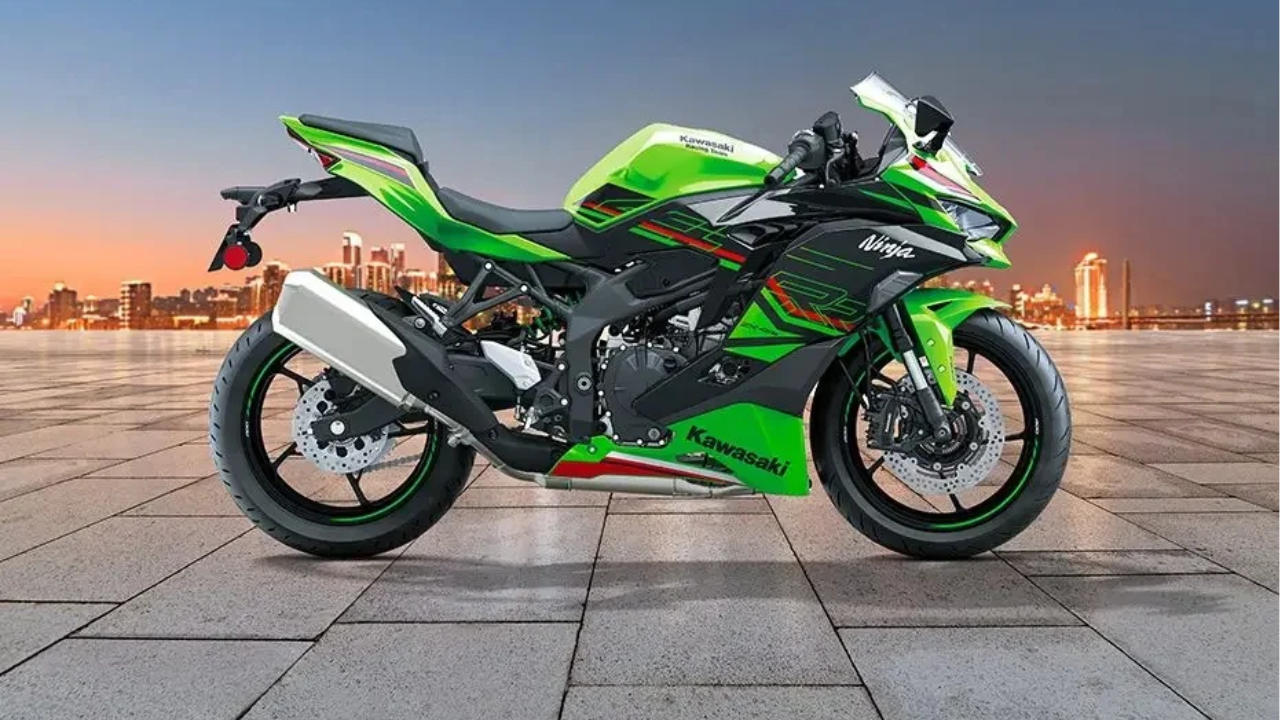
You can see a difference in the Ninja 400 when compared to the Ninja 300 by placing it side by side. It is chunkier, meaner and a bit taller. The styling is inspired by the ZX-10R and continues to the tail lamp. The green paint is really nice and nobody will be able to confuse this bike with any other on the road. They all look good on most sportbikes these days, but this one has presence, particularly in person.
Engine and Performance
The additional 100cc really does make much more of a difference than you’d think. The 399cc parallel-twin produces 48 bhp at 10,000 rpm and 3.9 kgm of torque at 8,000 rpm. It’s about 10 bhp more than the Ninja 300, but it’s the delivery that changes here. A continuous, steady pull of 300. The 400 possesses plenty of oomph and the power increases with the revs and really comes into its own after 7,000 rpm.
Ripping off the gas and, if you’re not careful, coming up with a front wheel that leaves the ground. If you open up the throttle to full when leaving a corner, you’ll feel the excitement this bike has to offer. The exhaust also sounds rich, pleasant and great even in stock form, making every ride more enjoyable.
Brakes, Clutch and Controls
Brakes and controls are similar to the engine. The 310 mm front disc feels stiffer than usual and applies the brakes with force, and the lever feel is smooth and progressive, making it safe to brake. A light clutch means that no two fingers are required to use, so traffic jams can’t be stressful anymore. There is only one grievance. This should be standard with adjustable levers at this price, and it isn’t.
Seat and Ergonomics
A surprising feeling of relaxation. Seats are wide and soft and there’s plenty of room for manoeuvre even for bigger riders. The riding position is sporty initially but how well planned it is is soon evident. The clip-on handle bars are not too low, which can lead to an awkward position of the wrist and back. This makes longer rides a lot more fun to do, and it doesn’t rob the bike of any cornering ability.
Handling and Cornering
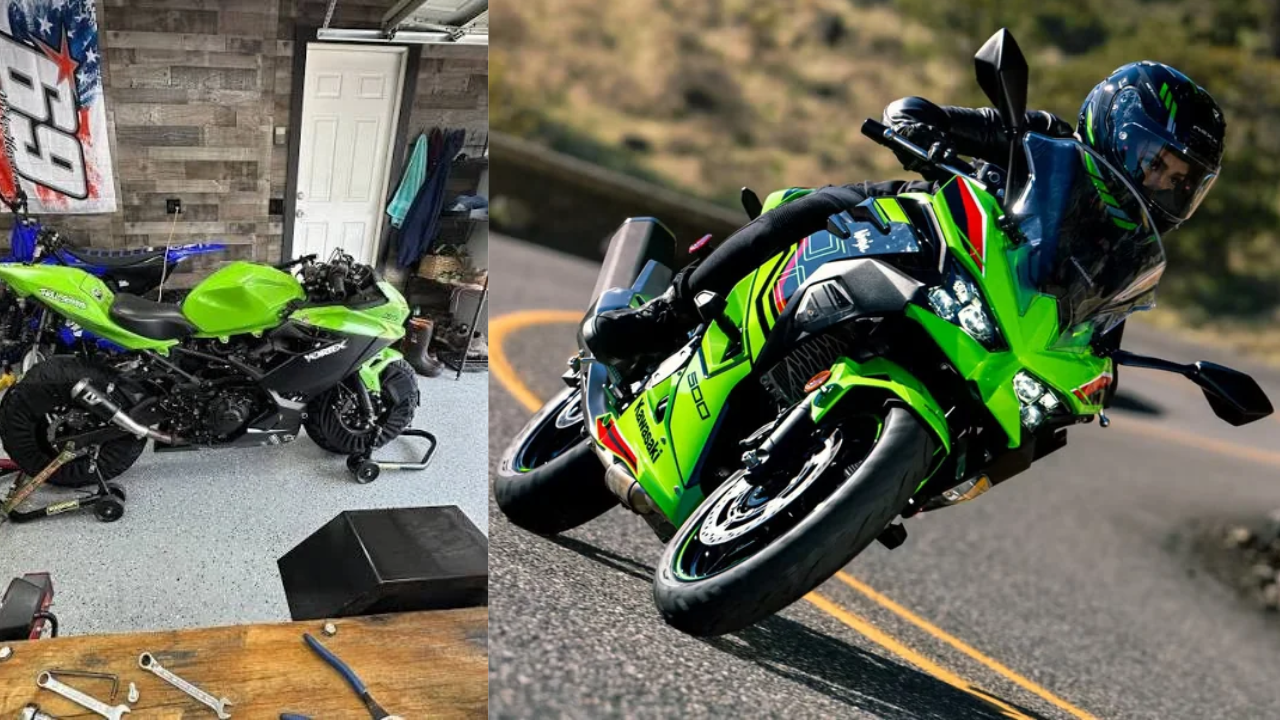
The Ninja 400 is where it really comes into its own. The engine is a parallel-twin design and is a bit thin for the class, and the wheelbase is just 1,370 mm – short for a faired 400cc machine. 140 mm of ground clearance can help to allow for deeper lean angles, meaning you can press through the bends. The tyres are a little slow to warm up but once they are warm they provide some good grip. Combine all of this and you’ve got a bike that’s pretty dang fast around corners in the right hands. Light, agile and ready to make a change of direction.
Who is the Ninja 400 For?
The Ninja 300 allows the rider to experience what it feels like to ride at speed. The 400 asks for more. It is not a purchase to ride quickly, it’s a purchase to ride well at speed. It can terrorize you, and it can match bikes twice its power, if you develop the ability to wield it. It’s what sets apart the riders of a 300 from the riders of a 400. This bike will continue to teach you if you’re a rider that loves to get better.
Final Word
This bike was not a necessity for Kawasaki to make, and they already make superbikes such as the ZX-10R. Despite this, the Kawasaki Ninja 400 showcases that a 48 hp motorcycle can be as exciting. It’s fast, agile, comfortable and really good looking. The only downside is the lack of adjustable levers. To those who desire a sportbike that’s not beyond reach but still a great deal of fun to ride, it’s a no-brainer. Before making a decision, please read the specification and FAQs below.
FAQs
1.How much power does the Ninja 400 make?
It makes 48 bhp at 10,000 rpm and 3.9 kgm of torque at 8,000 rpm. The power is easily accessible through the 6-speed gearbox and is definitely more demanding beyond 7,000 rpm.
2.How Much Does Ninja 400 cost in India?
In 2022, the reviewed model offered at the ex-showroom price of Rs 4.99 lakh. On-road prices vary from time to time, please check the current price with your local Kawasaki dealer prior to purchase.
3.Does the Ninja 400 offer a comfortable ride every day?
Yes, if it’s a sportbike. It’s a wide, well-stuffed seat, a light clutch in traffic and a sporty but not too aggressive riding position. The seat height is 785mm.
4.How is the Ninja 400 different from the Ninja 300?
It has approximately 10 bhp more and 100cc of additional displacement. The front disc brakes are larger and the power delivery is more powerful in that it’s not linear.
5.Who’s buying the ninja 400?
Riders desiring to fine-tune the performance of their fast and agile bike. It’s ideal for riders who have progressed beyond 300cc.
Read More: Yamaha Aerox 155 Review: A Scooter That Feels Like a Sportsbike