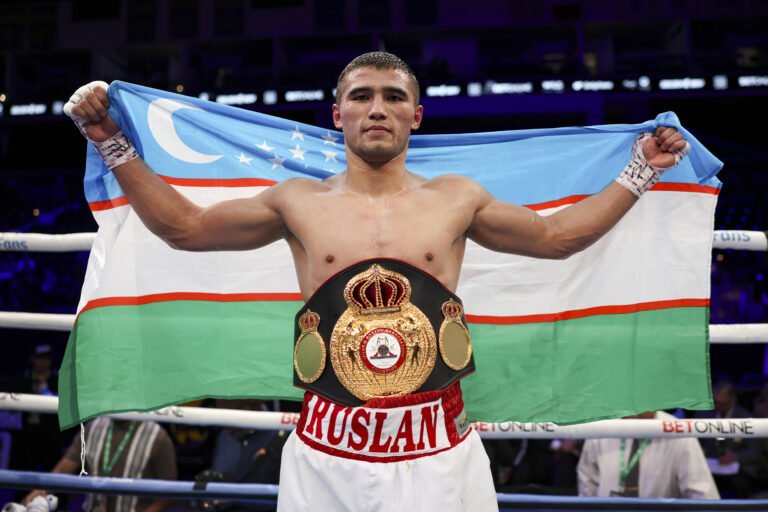
Central Asian wrestling has produced champions whose names resonate well beyond regional competition — athletes whose technical mastery, competitive drive, and national representation have elevated their countries’ sporting profiles on the global stage. Ruslan Abdullaev represents exactly this profile within Uzbekistan’s growing sporting tradition — a wrestler whose journey from national development programs through continental competition to international recognition reflects both individual excellence and the systematic investment that uzbekistan sports has made in combat disciplines with deep cultural roots across the region. Fans following Uzbek sport and international wrestling competition can find dedicated coverage at dbbet.
Ruslan Abdullaev: The Wrestler Building an International Profile
Ruslan Abdullaev has developed his competitive wrestling career within the specific context of Uzbekistan’s combat sports ecosystem — one of the most productive environments for wrestling talent in Central Asia and increasingly recognized within World Wrestling’s global competitive structure as a genuine source of championship-caliber athletes. His progression through Uzbekistan’s national wrestling hierarchy — the domestic competition structure that identifies and develops the athletes who will represent the country at continental and world level — reflects the specific qualities that international wrestling demands: technical proficiency across the full range of competitive situations, physical conditioning that sustains performance across multiple matches in single-day tournament formats, and the competitive composure that high-stakes wrestling requires in moments where tactical decisions must be made under physical exhaustion and competitive pressure simultaneously.
Wrestling’s Deep Roots in Central Asian Culture
Understanding Abdullaev’s competitive context requires appreciating how completely wrestling is embedded within Central Asian cultural identity — a relationship that gives the sport a motivational foundation and grassroots participation depth that institutional investment alone cannot manufacture. Wrestling traditions across Uzbekistan, Kazakhstan, Kyrgyzstan, and Tajikistan predate formalized international competition by centuries — the specific forms of traditional wrestling practiced at festivals, community celebrations, and cultural events across the region represent living practices that modern competitive wrestling has grown alongside rather than replacing. Kurash — Uzbekistan’s indigenous wrestling form, recognized by the International Kurash Association and included in various international games programs — carries specific cultural significance as a sport whose origins are genuinely Uzbek rather than imported through competitive adoption. The cultural valorization of wrestling excellence that these traditions sustain creates the community environment where young wrestlers receive the social recognition that motivates the sustained training commitment elite performance requires.
Uzbekistan Wrestling Champion Pathway: From Domestic to International
The uzbekistan wrestling champion development pathway reflects a systematic approach to competitive preparation that the country’s sporting institutions have refined across decades of producing internationally competitive wrestlers. National championships — contested across the freestyle, Greco-Roman, and women’s wrestling disciplines that World Wrestling recognizes — identify the athletes whose domestic performances justify international investment. Selected wrestlers enter the national team program whose preparation combines technical coaching of high quality with the physical conditioning and competition exposure that bridging the gap between national and international standards requires. The specific challenge of developing wrestlers for international competition is the quality jump between domestic and international opposition — national champions who have been competitive against Uzbek peers must adapt their technical and tactical approaches to opponents whose different backgrounds produce genuinely unfamiliar competitive situations that domestic preparation cannot fully simulate.
The Uzbekistan Sports System: Building Champions Systematically
Uzbekistan sports investment across combat disciplines reflects a governmental understanding that wrestling, boxing, and judo carry specific cultural resonance and international recognition potential that justify sustained institutional support. The Ministry of Sports’ funding allocation to wrestling development programs — training facilities, coaching salaries, international competition exposure, and the sports science support that modern athletic preparation increasingly requires — has produced a wrestling ecosystem whose international competitive output validates the investment across multiple generations of champions. The specific infrastructure investments that have shaped Uzbek wrestling development include the Humo Arena and associated combat sports facilities in Tashkent that provide training environments whose quality creates conditions for development that previous generations of Uzbek wrestlers navigated without comparable support. The system’s continuity — maintaining development investment across political and economic cycles rather than treating sports spending as discretionary — reflects an institutional commitment that champion production requires across generational timescales rather than electoral cycles.
Asian Wrestling Championships: The Regional Proving Ground
Asian wrestling competition provides the regional proving ground where Uzbek wrestlers demonstrate the international competitive standard that World Championships and Olympic qualification require. The Asian Wrestling Championships — gathering the continent’s strongest wrestling nations including Iran, Japan, South Korea, Kazakhstan, and India alongside Uzbekistan — create a competitive field whose quality rivals any regional championship in any discipline globally. Asian wrestling’s specific competitive culture — the technical diversity that different national traditions bring to the same ruleset, the physical preparation standards that Asian nations competing at the front of the global sport maintain, and the specific tactical approaches that regional competition history has developed — makes continental championship success a genuine global competitive benchmark rather than merely regional recognition. Uzbek wrestlers who perform consistently at Asian Championship level demonstrate the competitive qualities that World
Championship preparation builds upon.
Technical Analysis: What Makes Elite Wrestling Excellence
Wrestling excellence at the international level reflects technical mastery across multiple competitive dimensions that casual observation reduces to physical strength. The takedown repertoire — the range of techniques for bringing an opponent from standing to the mat — requires the combination of explosive entry, leverage application, and grip management that years of technical drilling develop into automatic responses rather than consciously executed sequences. Defensive wrestling — the ability to prevent takedowns, escape from difficult positions, and reverse momentum from defensive situations — reflects equal technical sophistication to offensive capability. The scoring system that international wrestling employs — rewarding exposure of the opponent’s back toward the mat alongside takedowns and activity points — creates tactical complexity where strategic awareness of match situation interacts with technical capability to determine competitive approach across each two-minute period. Wrestlers who can make these tactical adjustments in real time while managing physical exhaustion and the specific pressure of individual championship competition demonstrate the complete competitive package that international success requires.
Uzbekistan’s Olympic Wrestling History and Future Ambitions
Uzbekistan’s Olympic wrestling record — building across the Games since independence — reflects a national sporting ambition that treats Olympic competition as the ultimate competitive validation rather than an aspirational horizon. The specific pathway from national program through World Championship competition to Olympic qualification creates a development timeline that the national federation manages with long-term planning rather than short-term result optimization — understanding that the four-year Olympic cycle requires organizational patience that annual championship focus occasionally compromises. Wrestlers who have represented Uzbekistan at Olympic level carry the experience of performing in the sport’s most pressure-concentrated environment — the knowledge that every match within the Olympic tournament has been preceded by years of development investment that the result will validate or leave unresolved. Building toward Olympic medal performances requires the systematic preparation that Uzbekistan’s wrestling infrastructure is increasingly capable of providing across multiple weight categories simultaneously.
The Role of Coaches in Uzbek Wrestling Development
Behind every Uzbek wrestling champion stands a coaching lineage whose technical knowledge and competitive experience has been transmitted across generations of the national program. The coaching staff that works with Uzbekistan’s national wrestling team carries institutional knowledge accumulated across decades of competitive experience — former champions who have transitioned into coaching roles bringing the specific understanding of competitive pressure that academic coaching education cannot replicate. The technical innovation that keeps Uzbek wrestling competitive against nations whose programs are also continuously developing requires coaches who are not merely transmitting established technique but actively developing competitive responses to the tactical evolutions that international wrestling’s ongoing development produces. The relationship between athlete and coach in elite wrestling — the trust required for an athlete to attempt technically complex movements in competitive situations where the margin for error has significant consequences — reflects a developmental partnership whose quality determines whether technical preparation translates into competitive performance.
What Abdullaev’s Journey Represents for Uzbek Sport
Ruslan Abdullaev’s competitive journey represents something beyond individual sporting achievement within Uzbekistan’s broader sporting narrative — a demonstration that the systematic investment in wrestling development is producing athletes capable of competing and winning at the international level that the country’s sporting ambitions have been targeting. Each Uzbek wrestler who achieves international recognition contributes to the national sporting identity that the government’s investment is partly designed to build — a visible expression of Uzbek competitive capability that carries cultural significance alongside the athletic achievement itself. For young Uzbek wrestlers watching Abdullaev compete at Asian Championships and international events, the specific message received is that their country’s wrestlers can compete and win against the world’s best — a motivational recalibration whose compounding effects on youth participation and training commitment will shape Uzbek wrestling’s competitive output across the next generation of athletes now working through the development system that produced him.